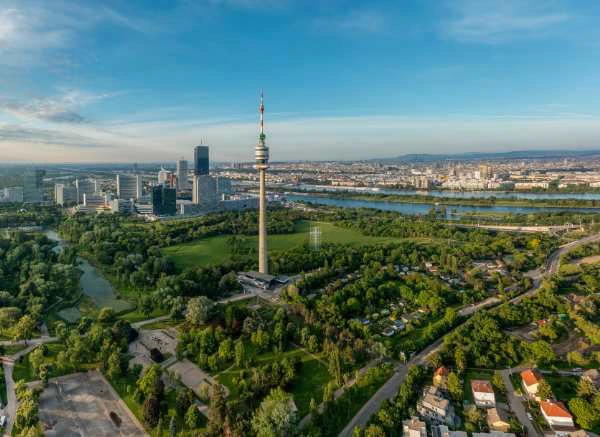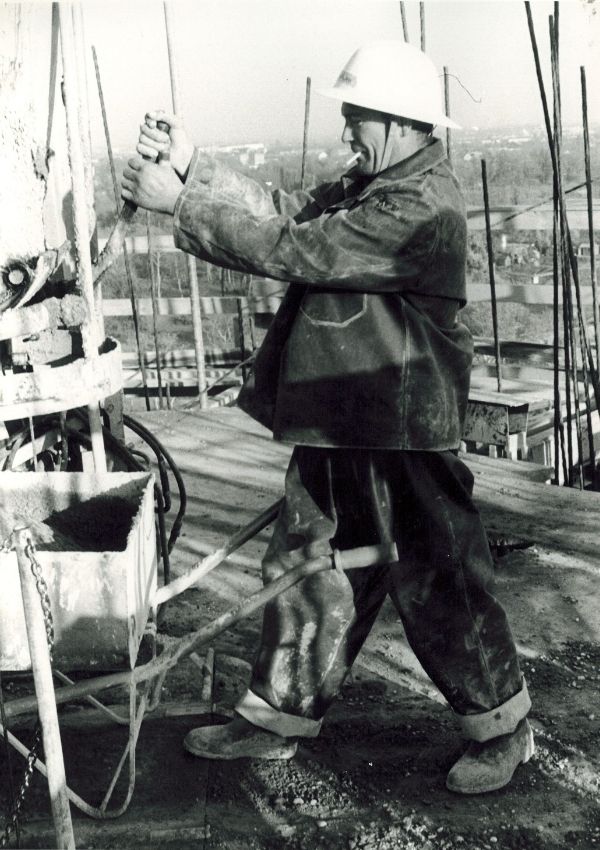
The Danube Tower at that time
The sixties were socially revolutionary, innovative and experimental in architecture, art and culture. The economic miracle, the boom and new technologies made the belief in the future almost boundlessly naive.
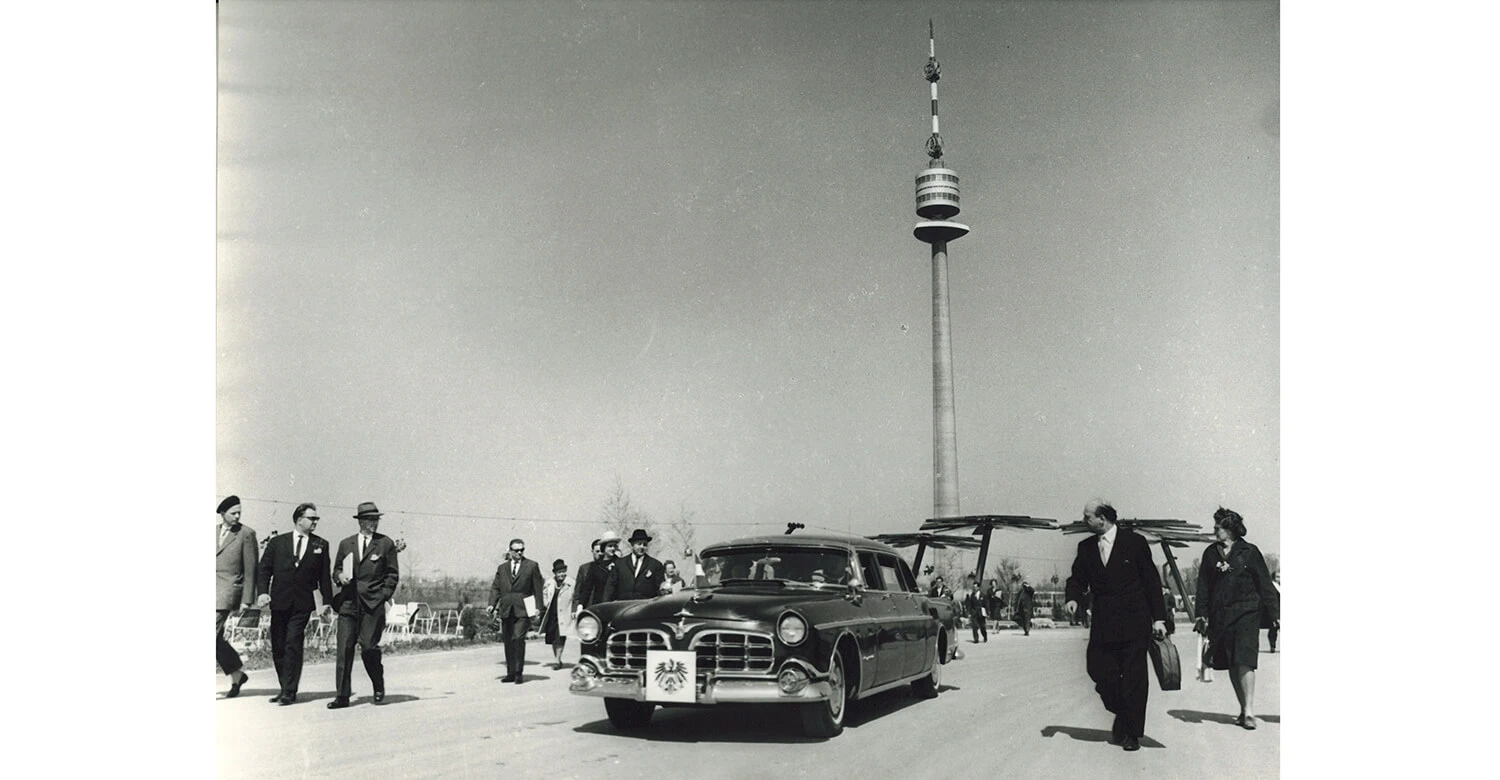
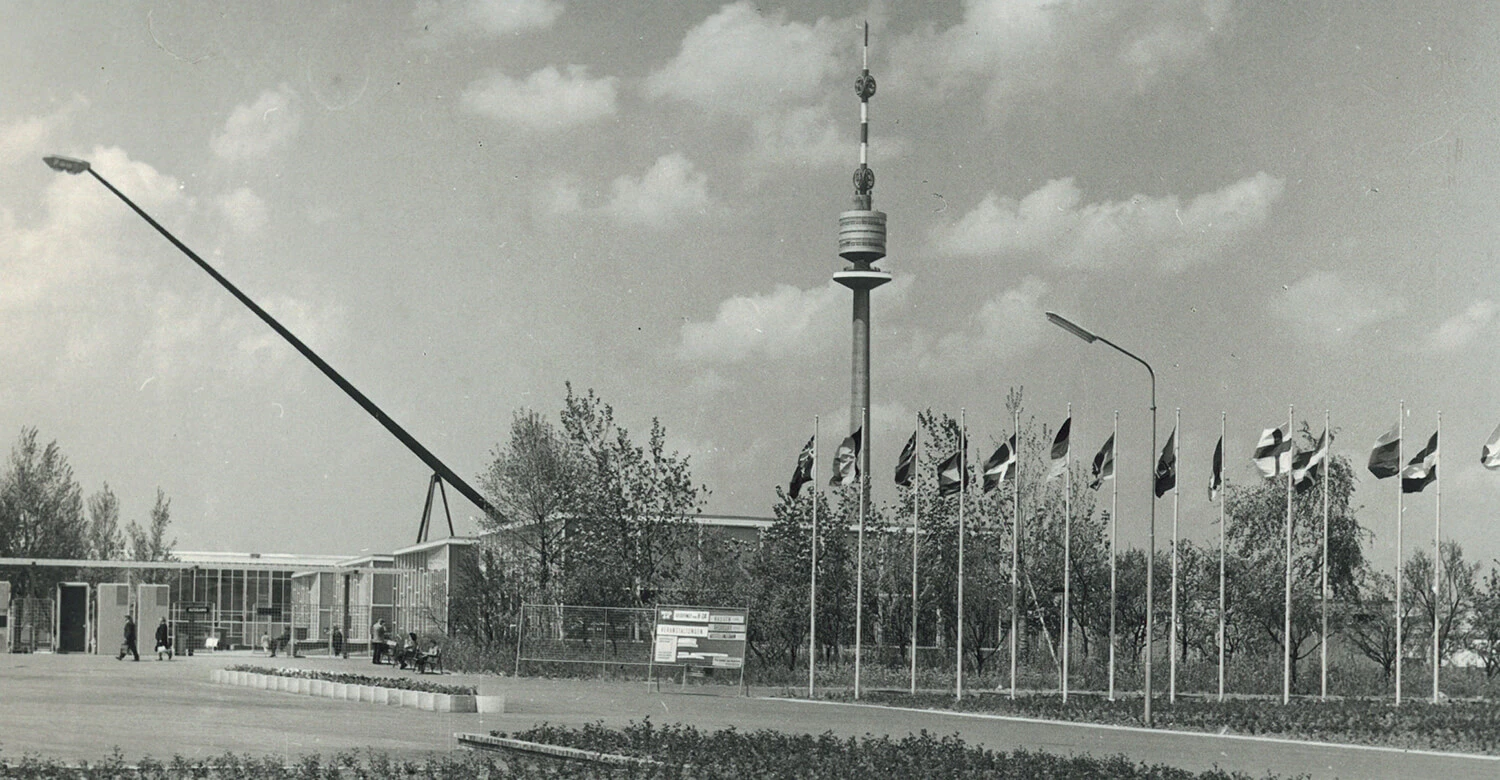
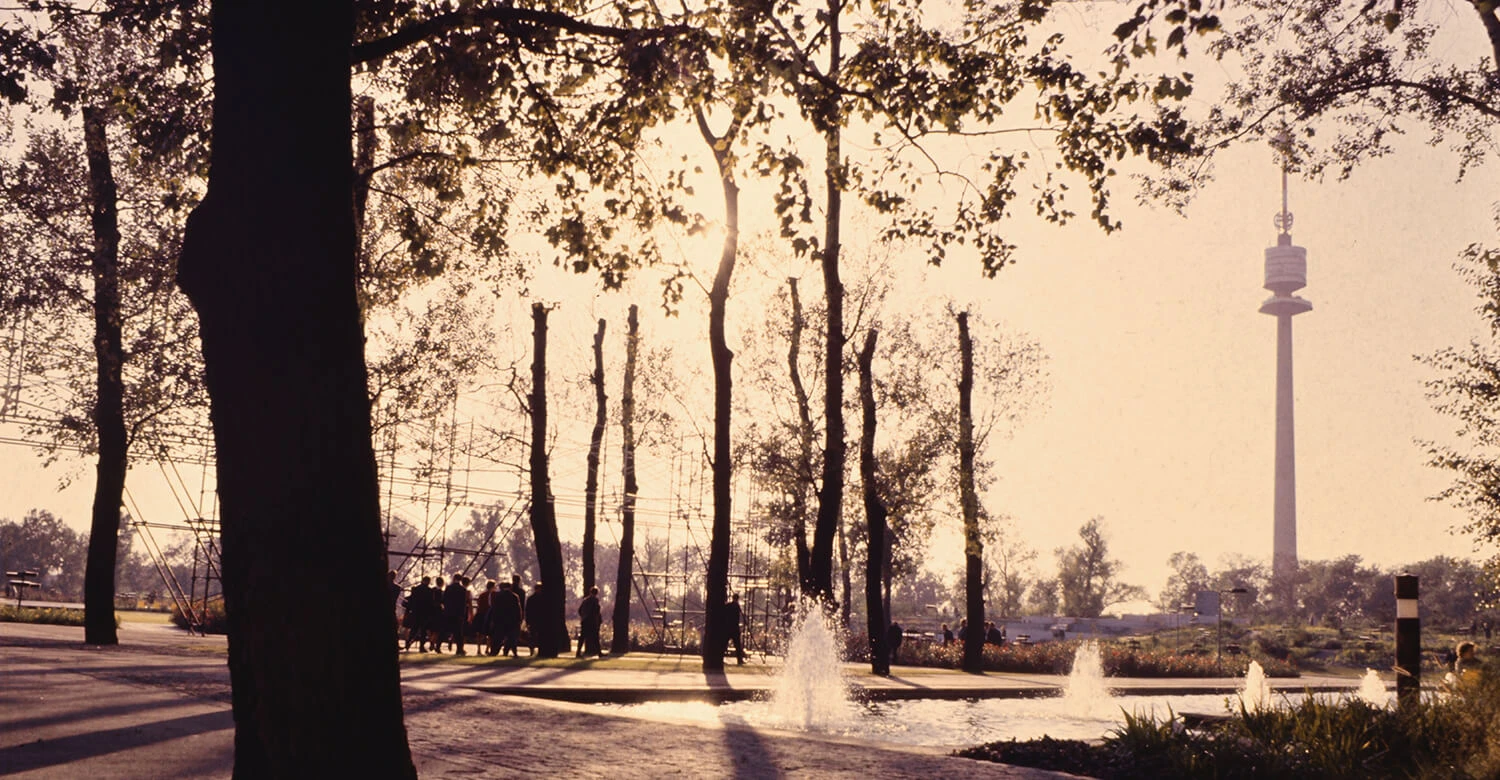
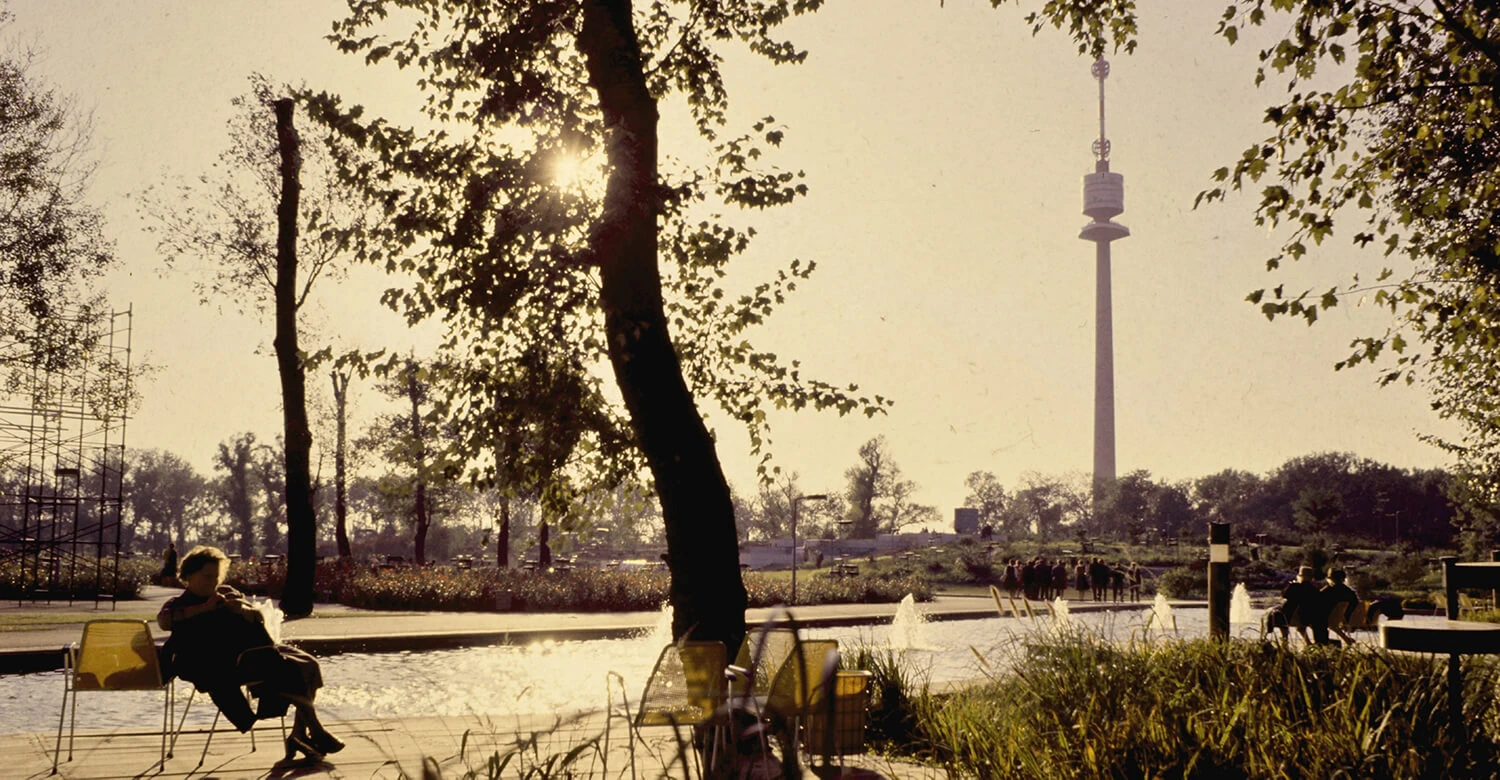
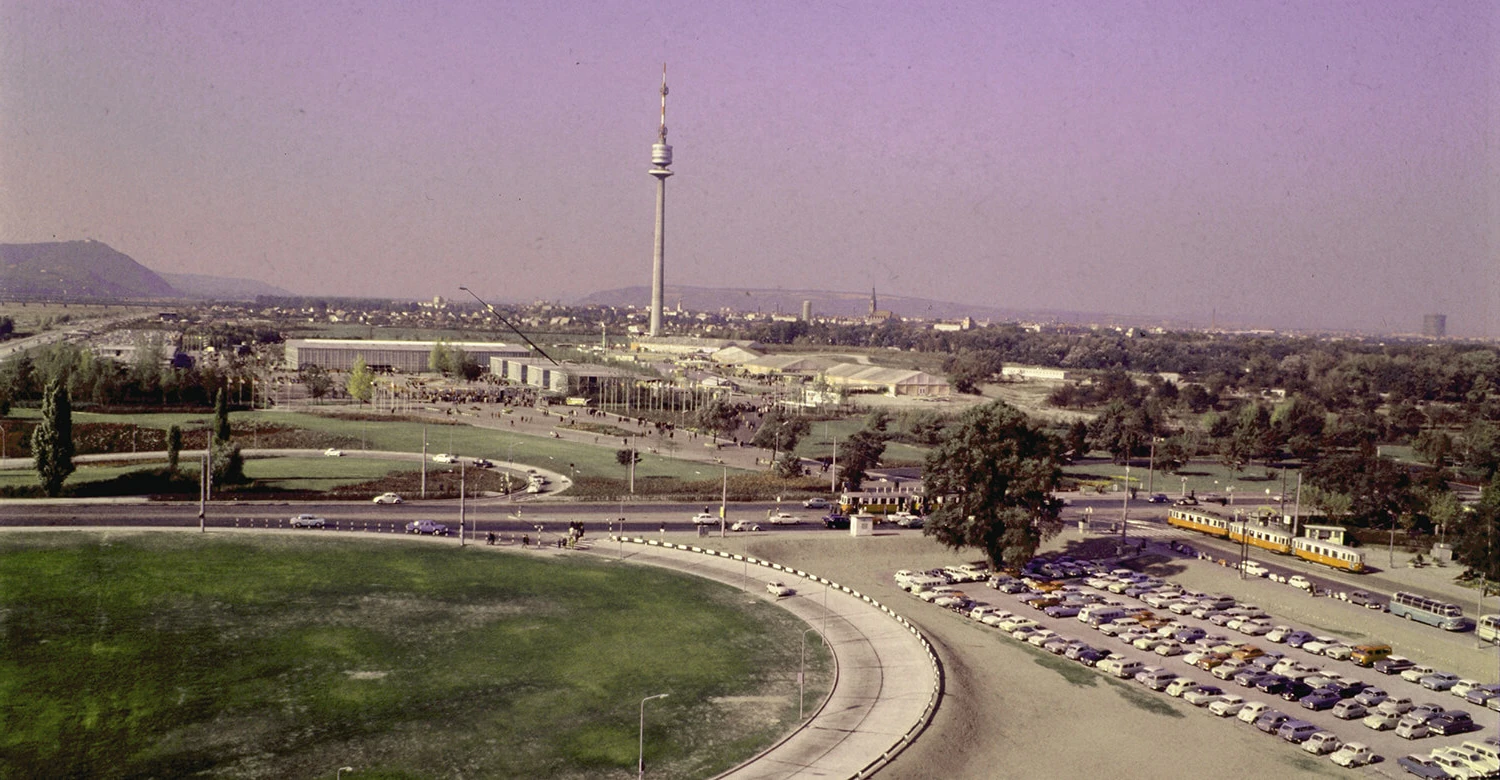
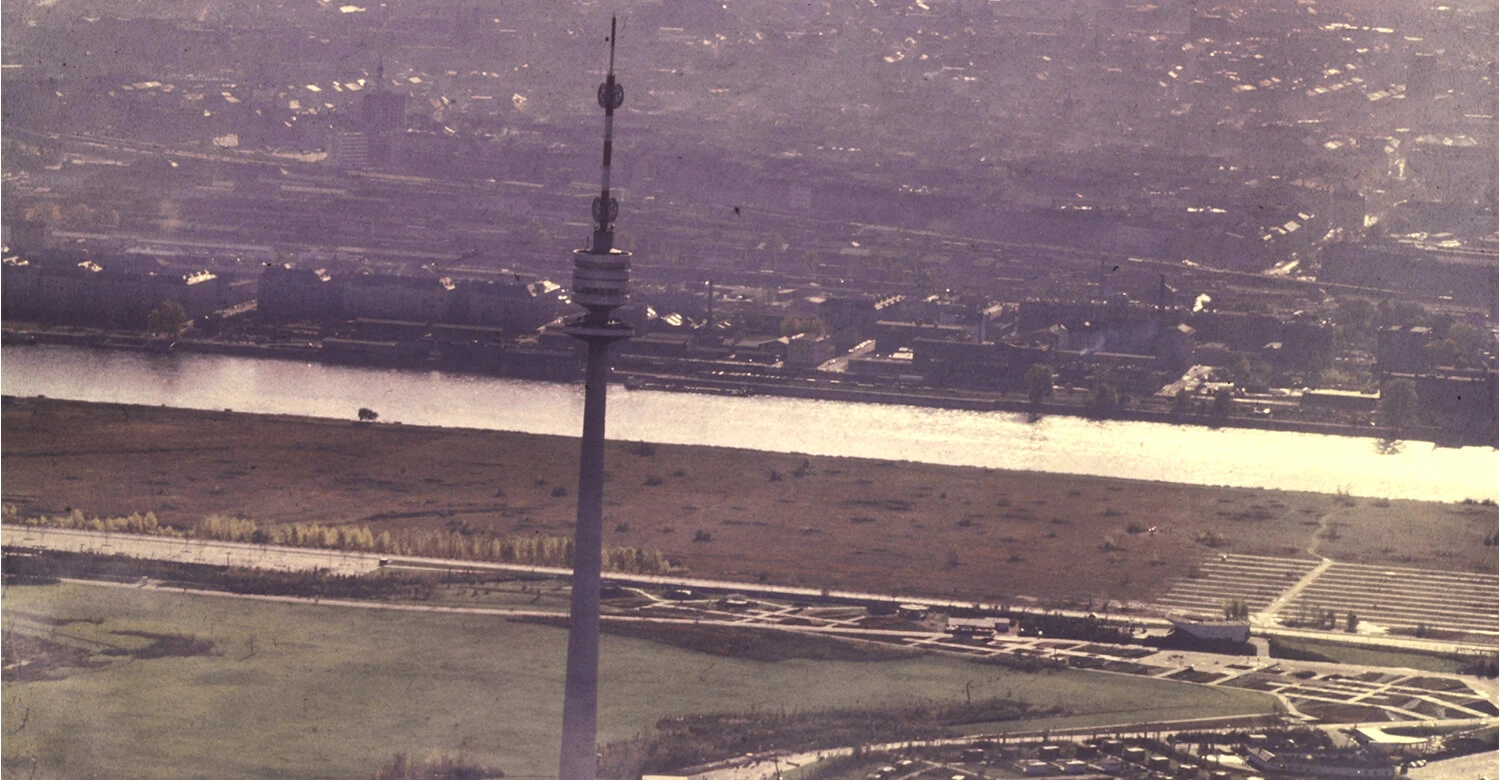
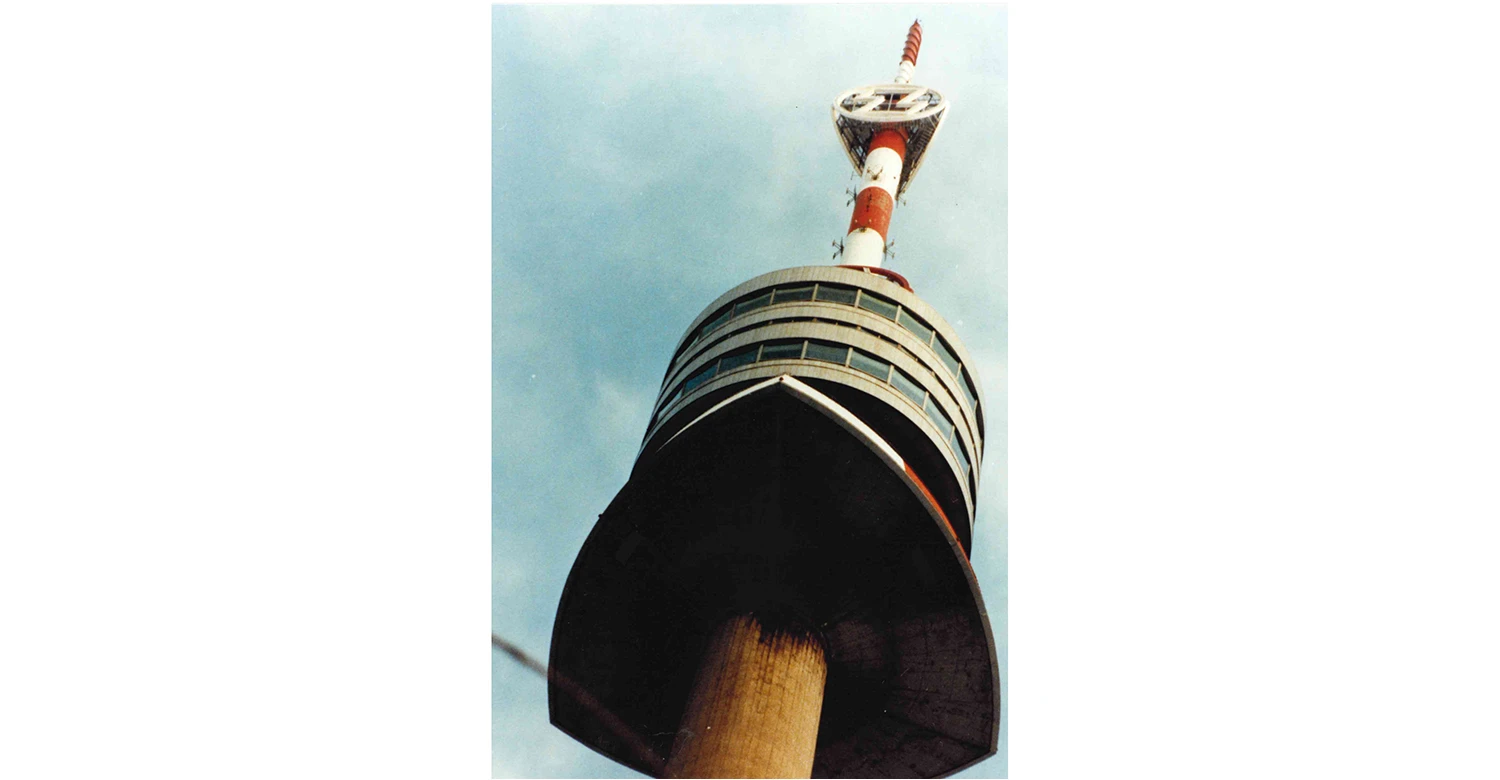
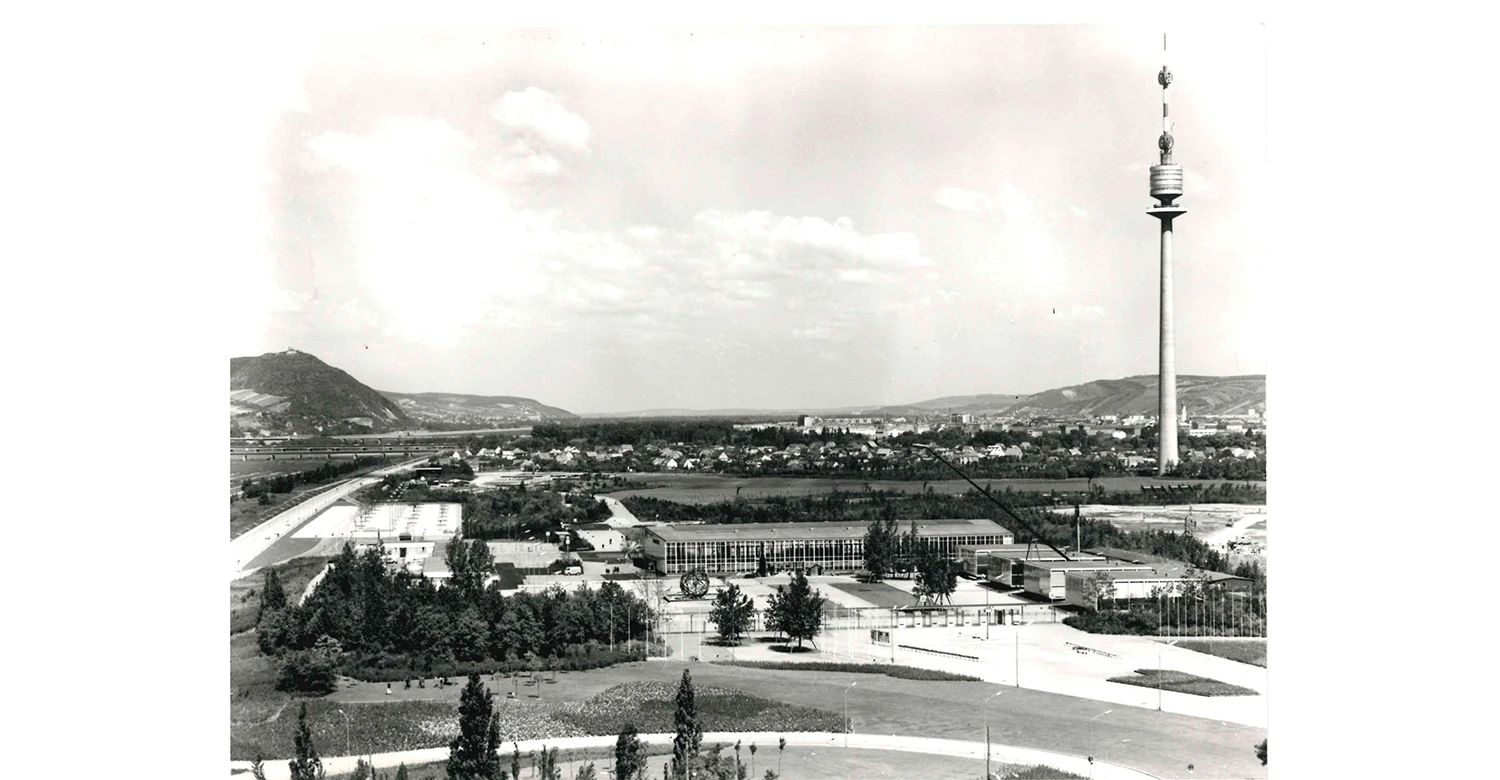
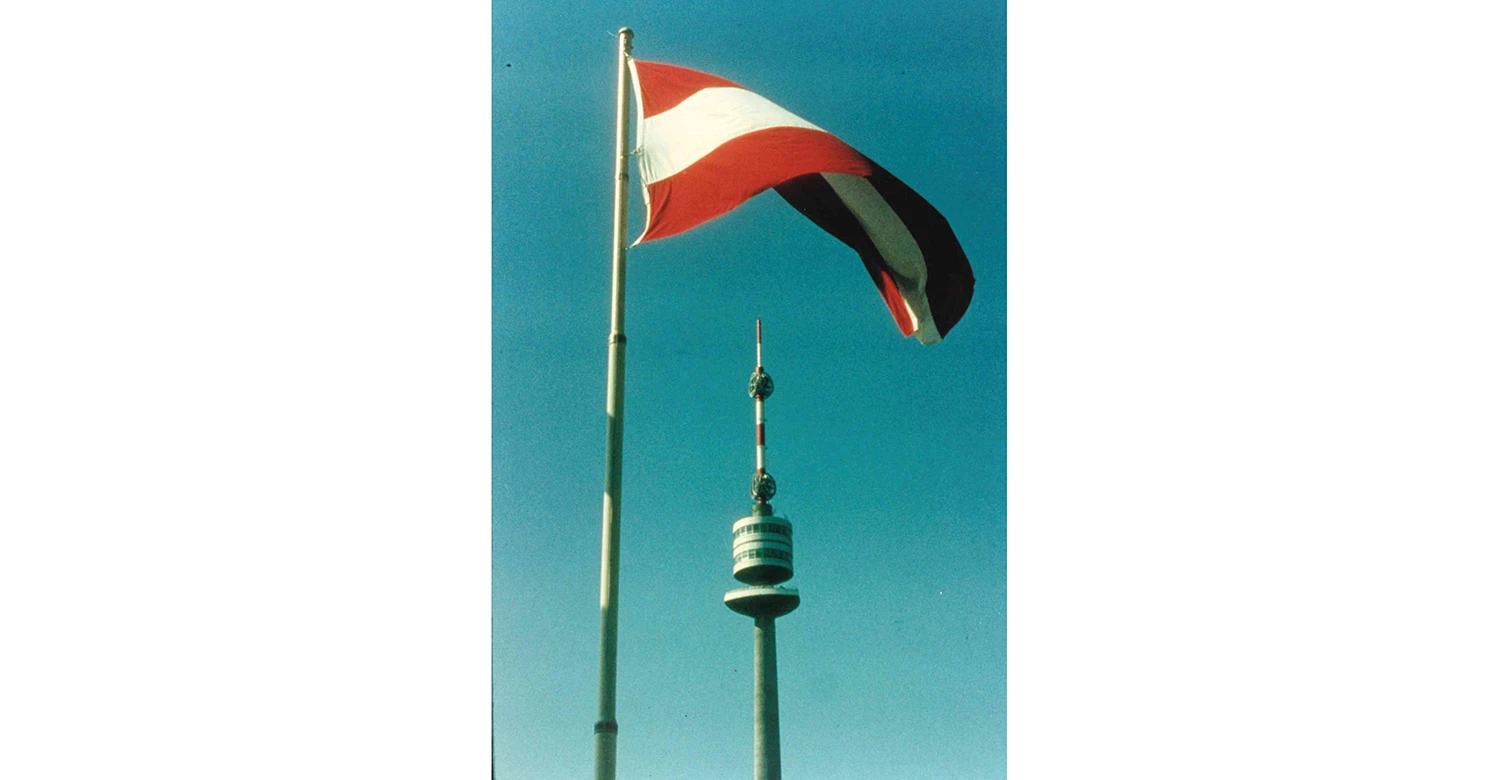
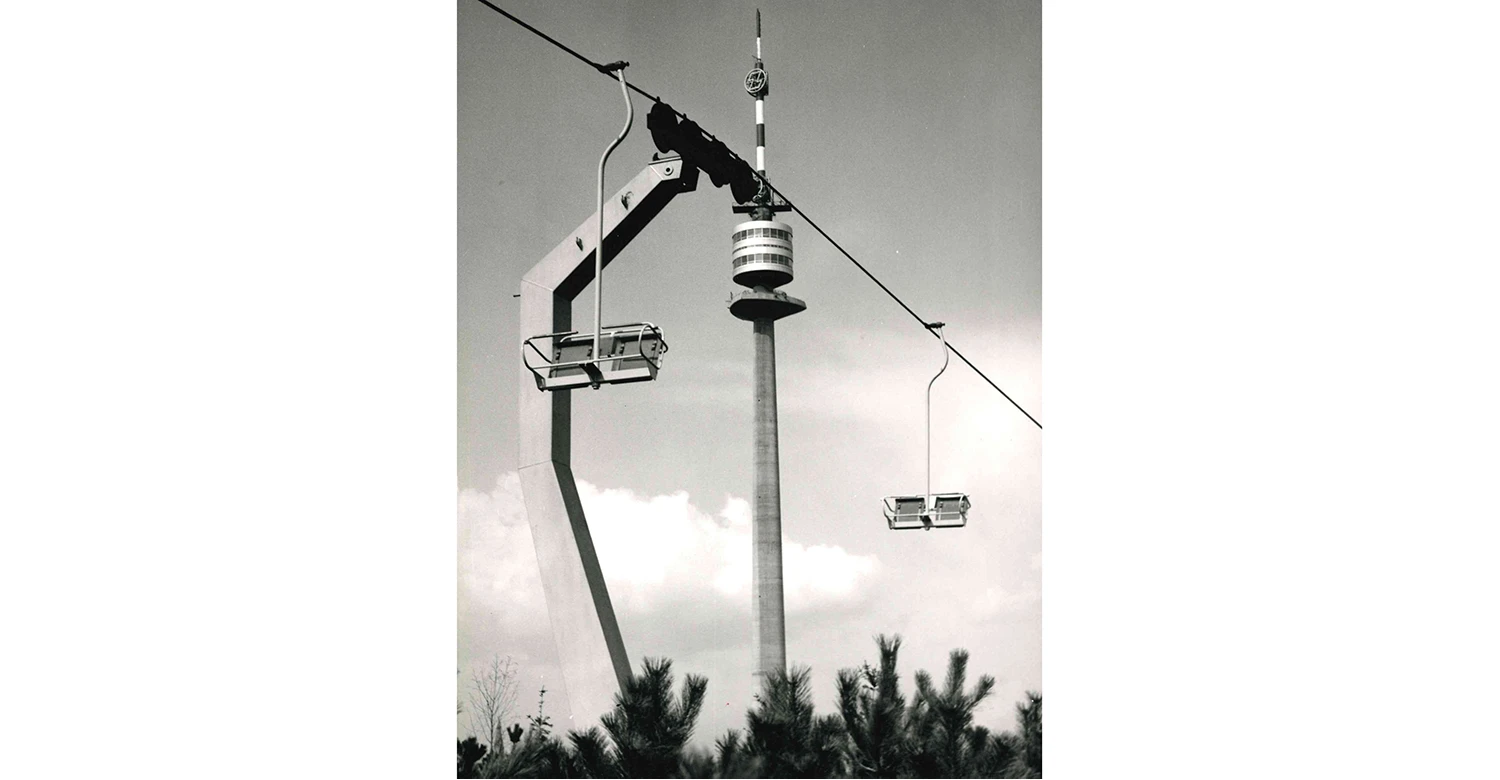
The Danube Tower was erected in 1964 as a highlight and proud symbol as part of the Vienna International Garden Show (WIG). The WIG transformed a neglected area on the banks of the Danube into a spacious and appealing recreational area -the Danube Park, which was boldly overlooked by the new tower structure.
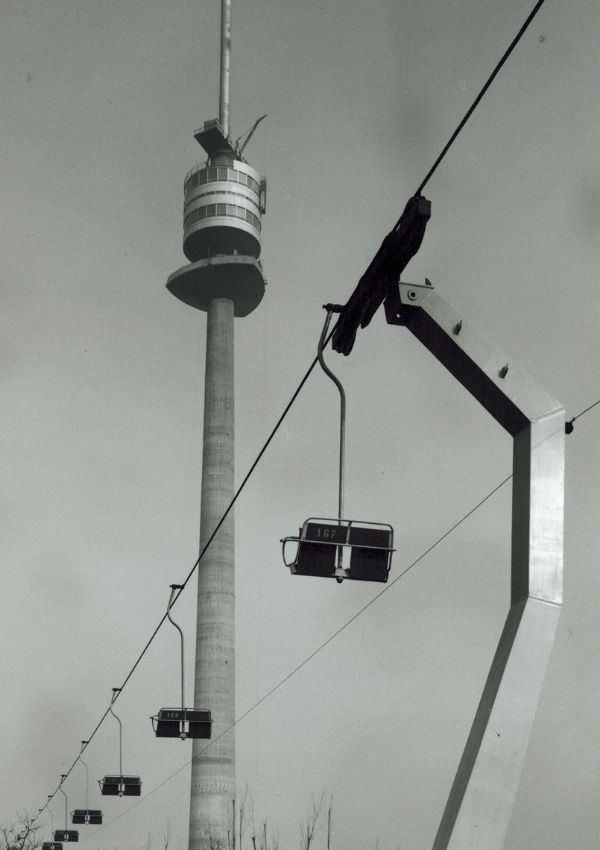
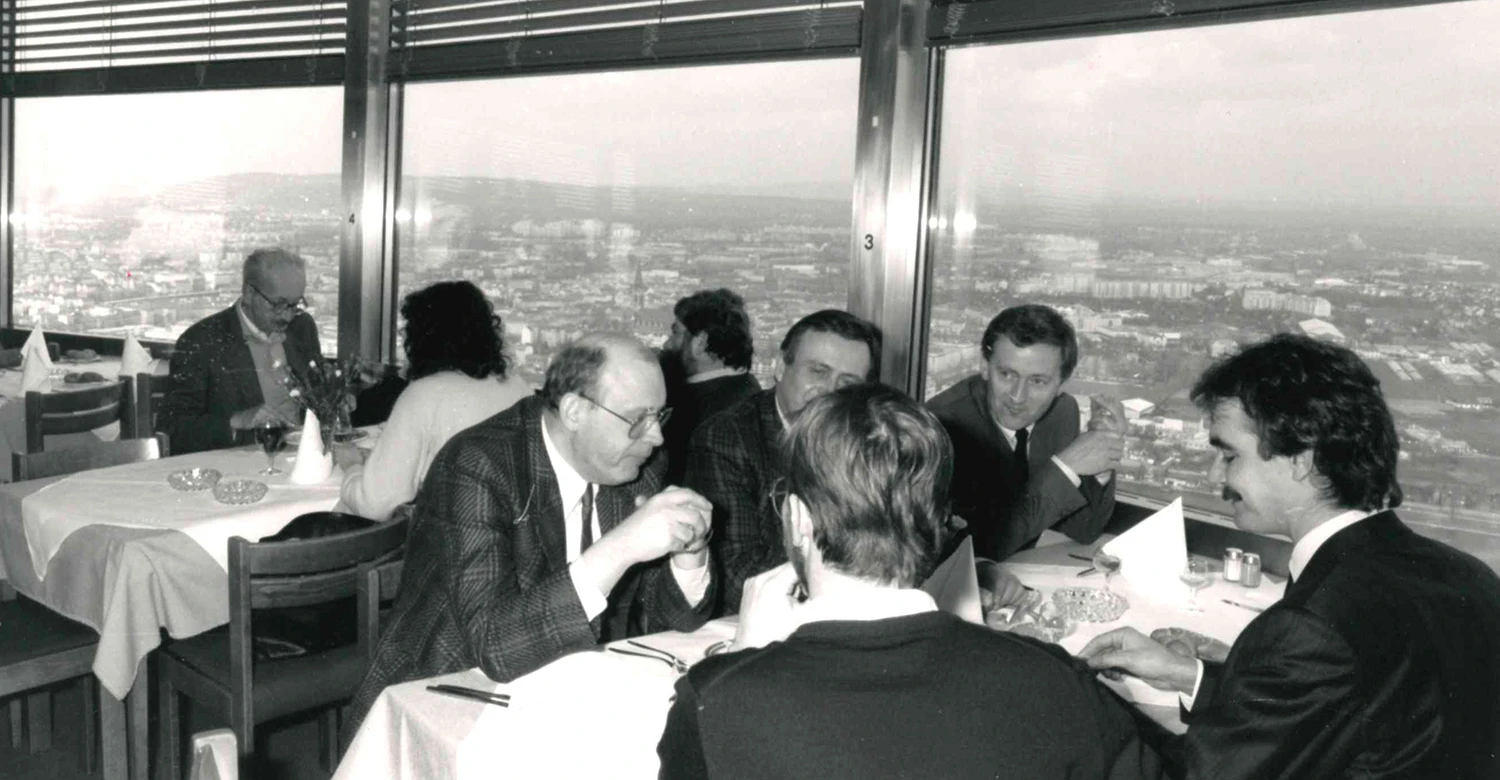
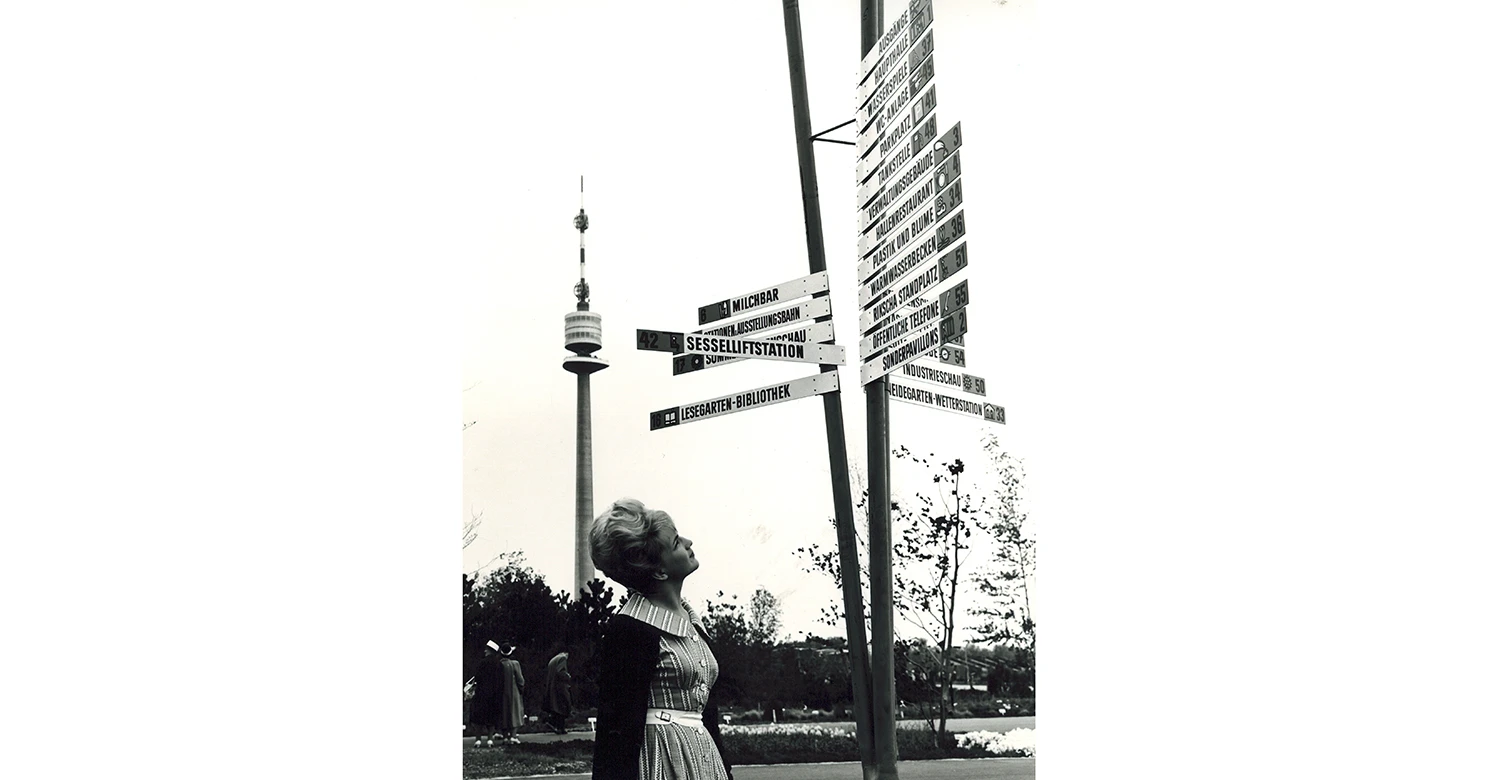
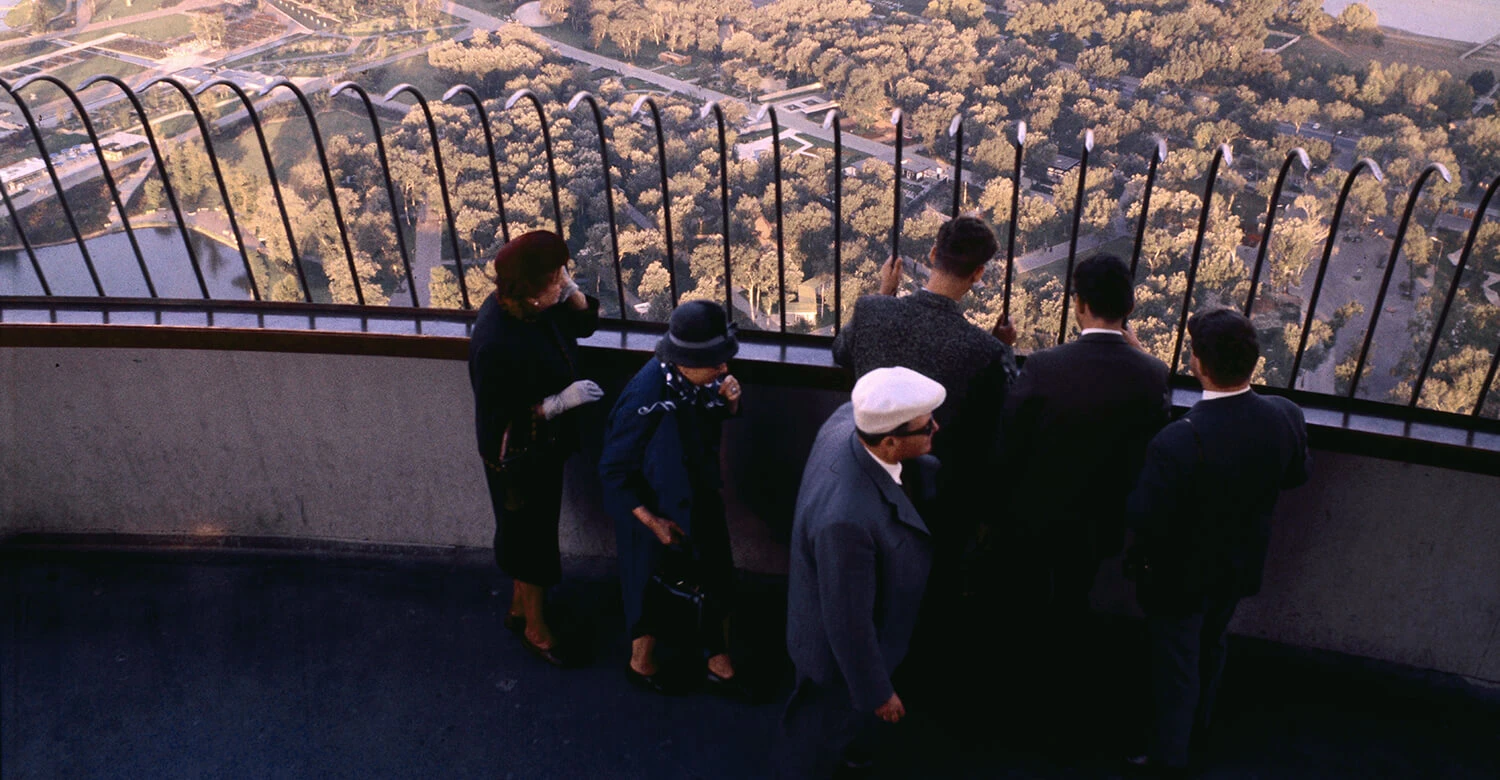
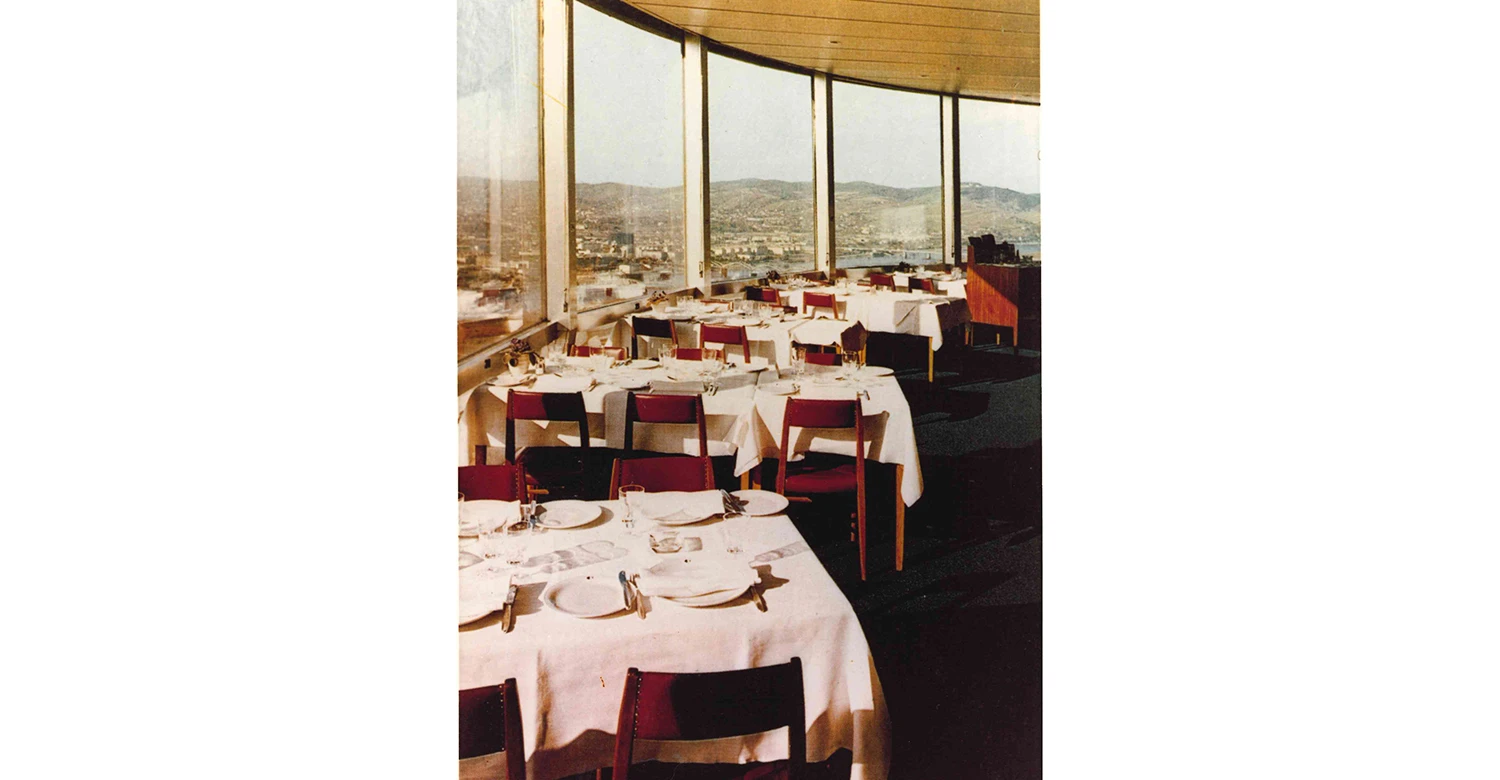
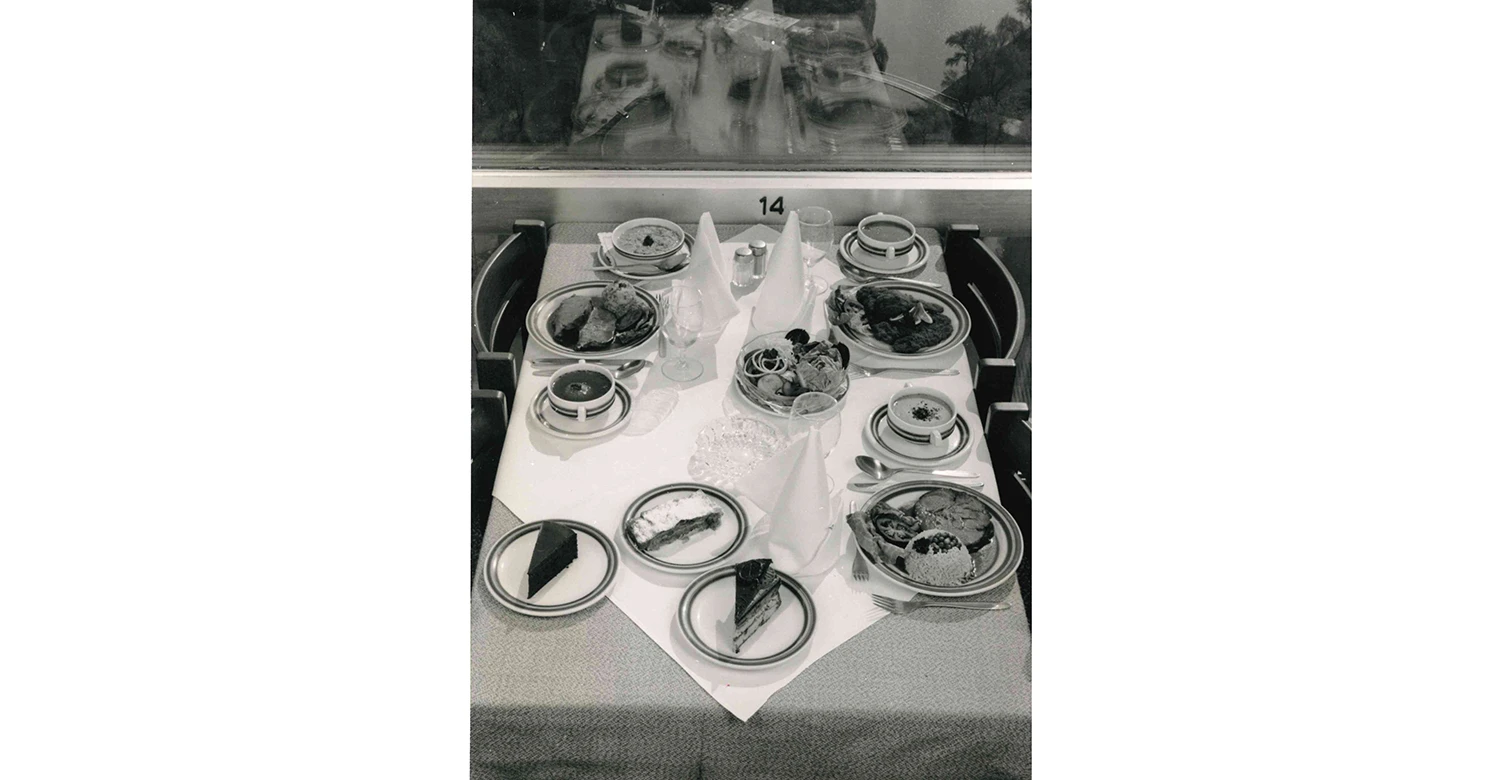
From the very beginning, the Danube Tower was regarded as the centerpiece and central point of orientation for visitors to the WIG, offering at the same time a spectacular view and a new perspective on the city of Vienna. At that time, the restaurant at a height of 170 meters was considered a sensation, as it constantly rotated on its own axis.
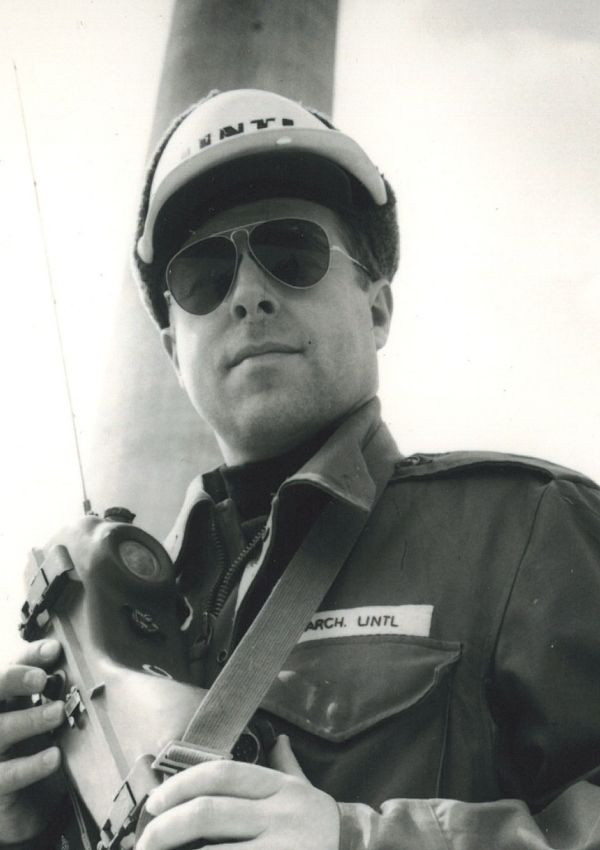
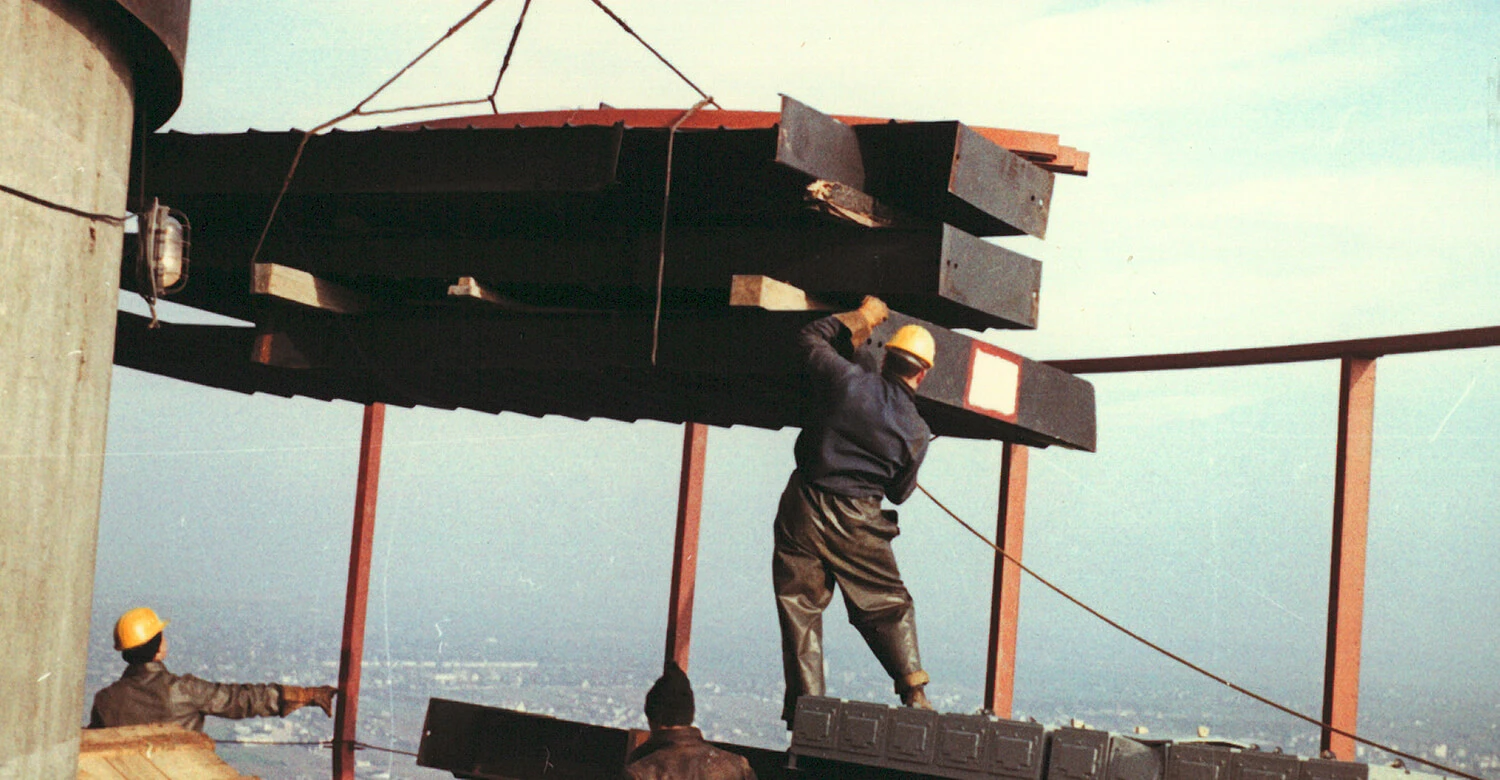
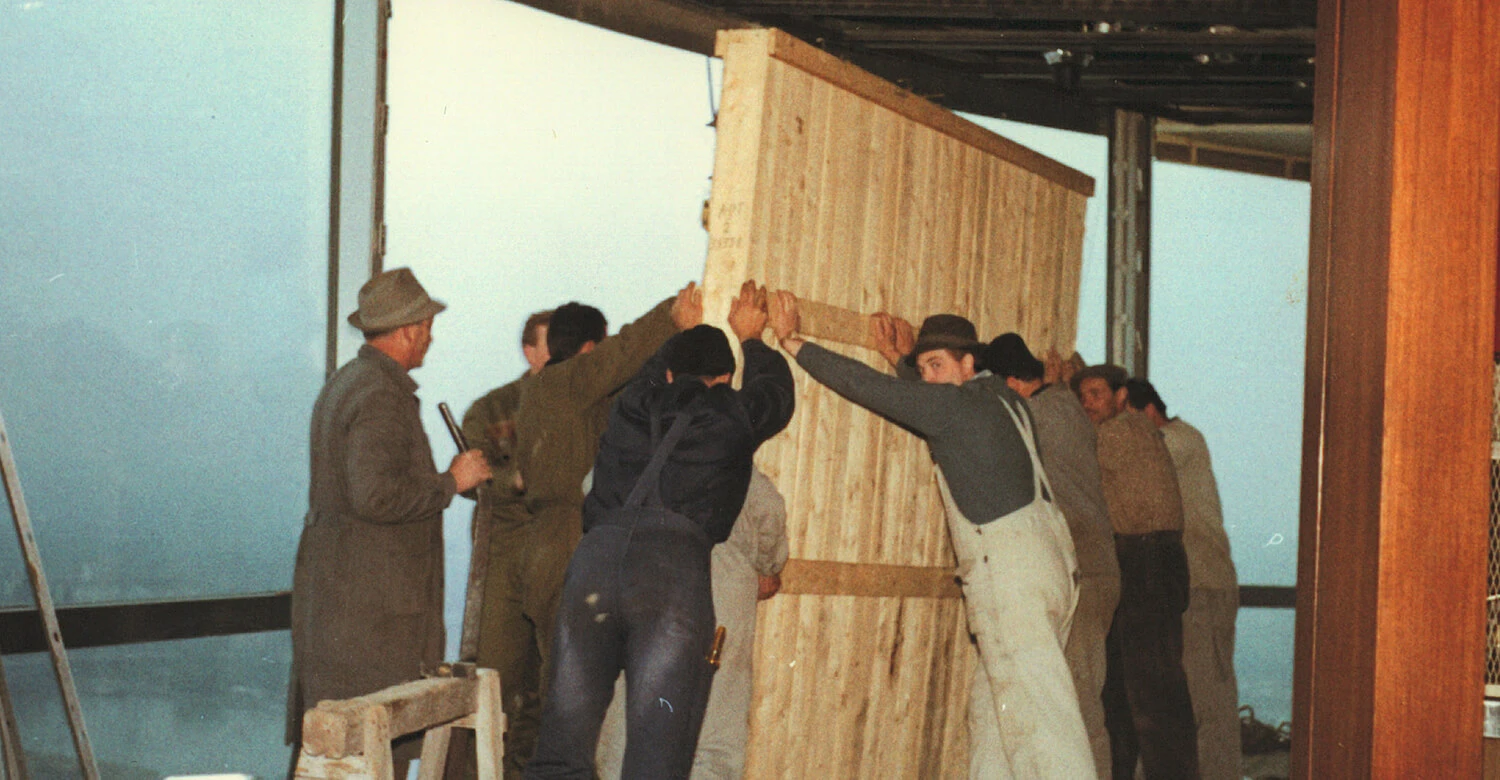
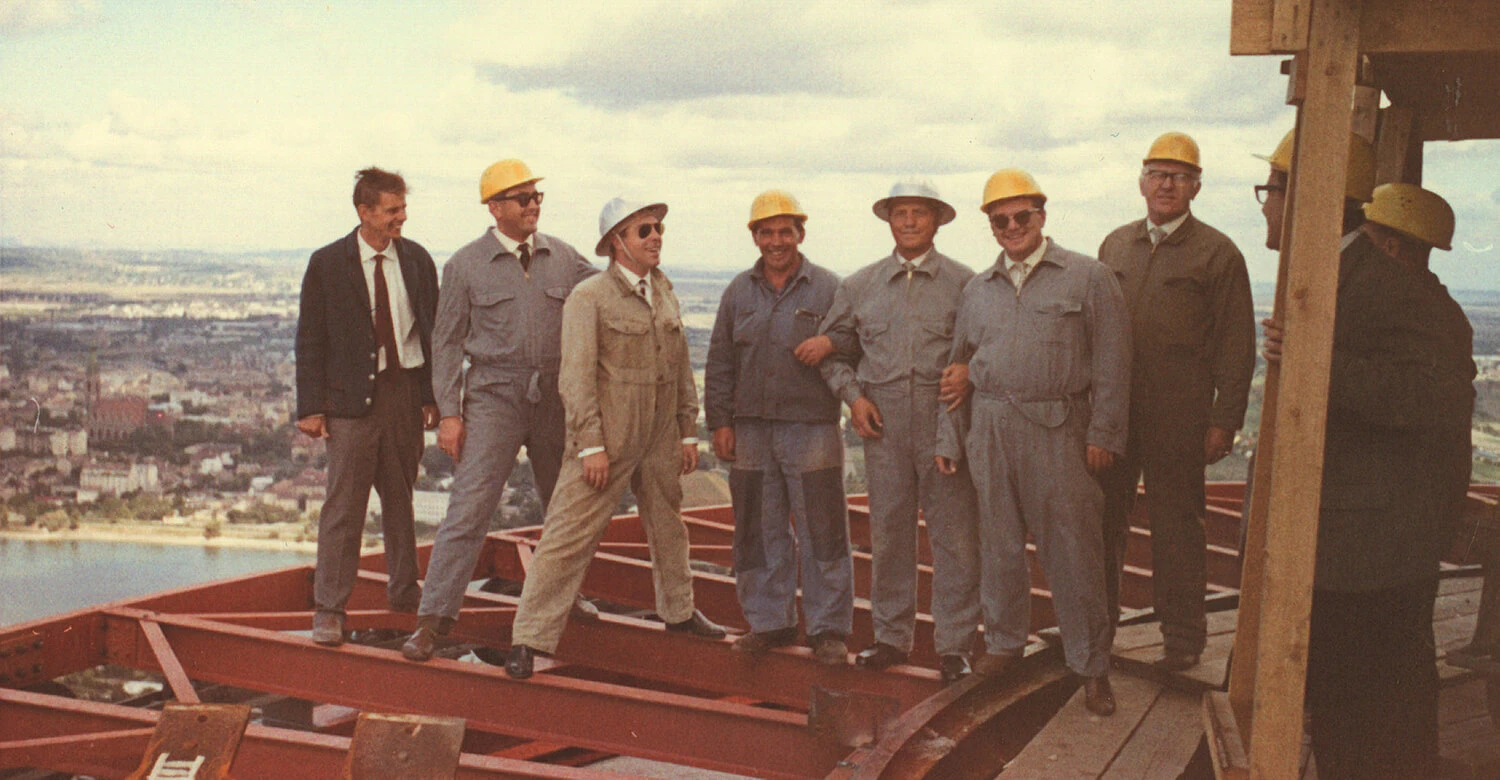
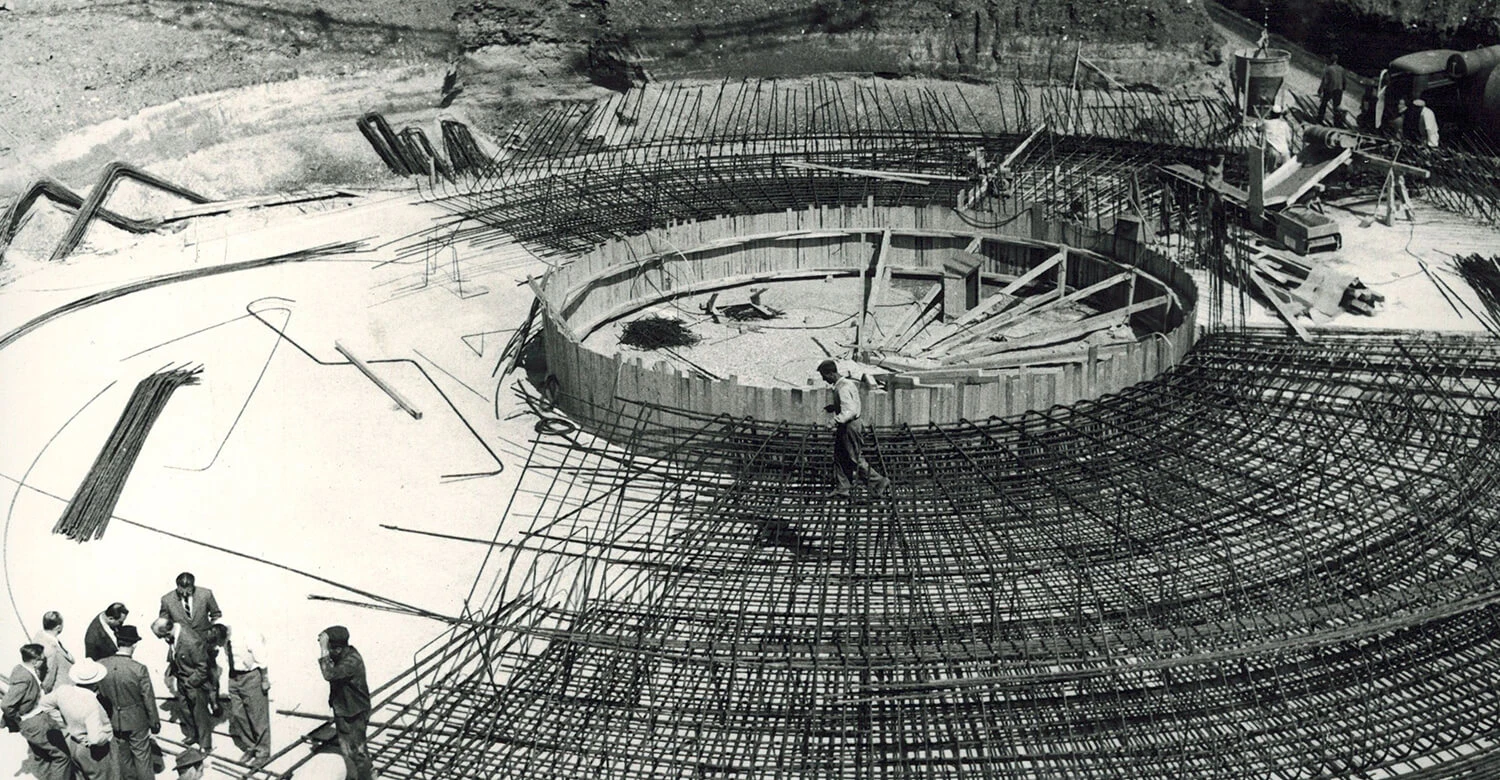
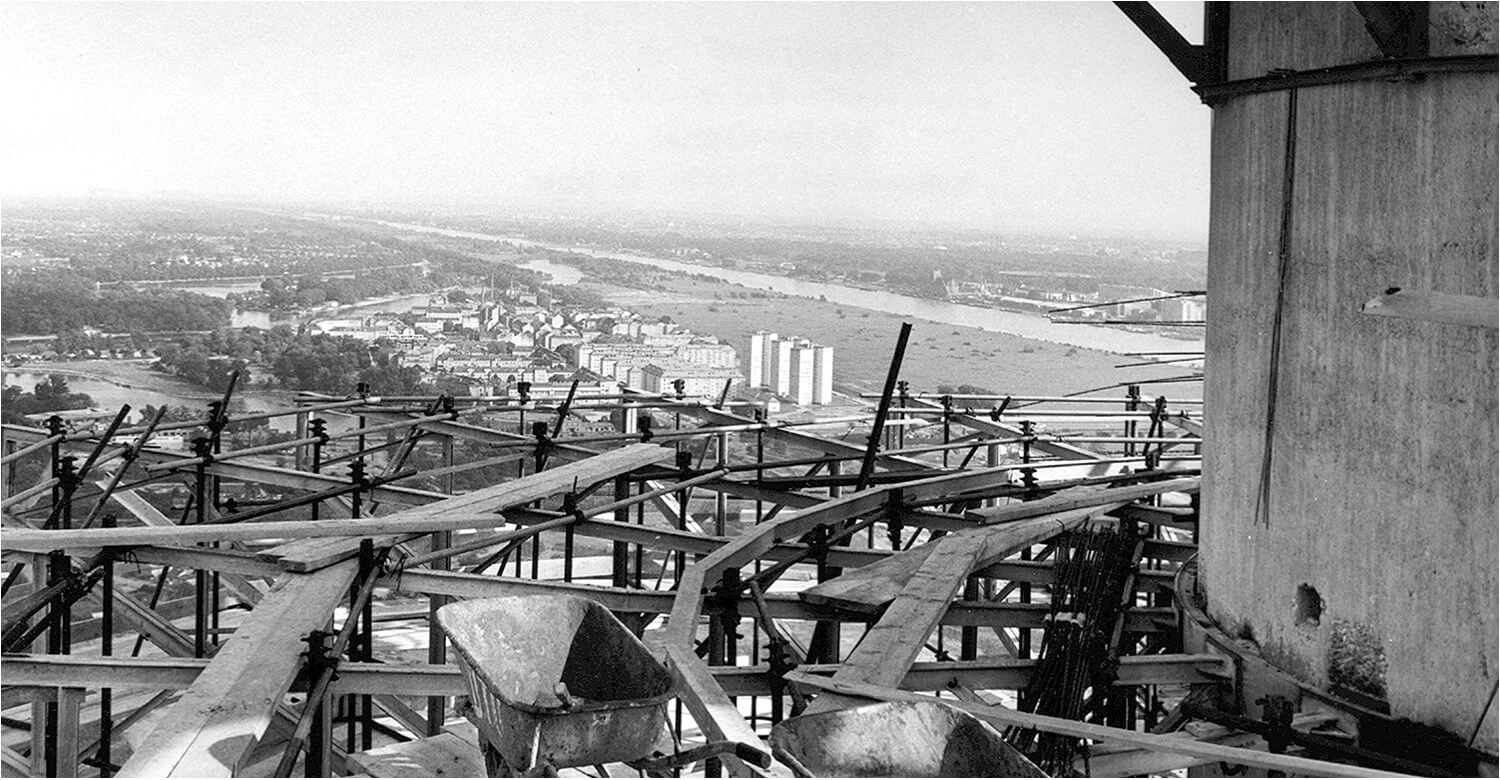
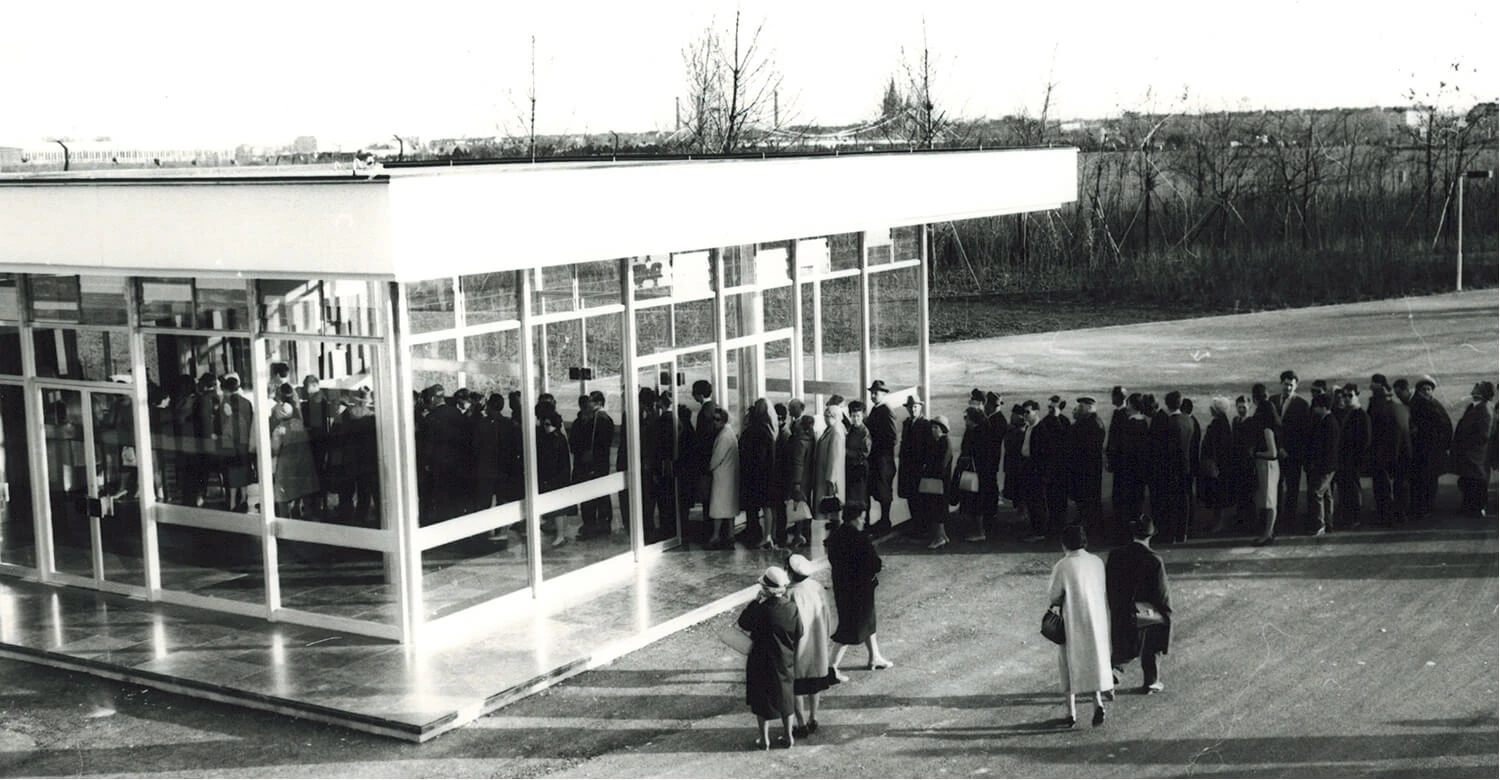
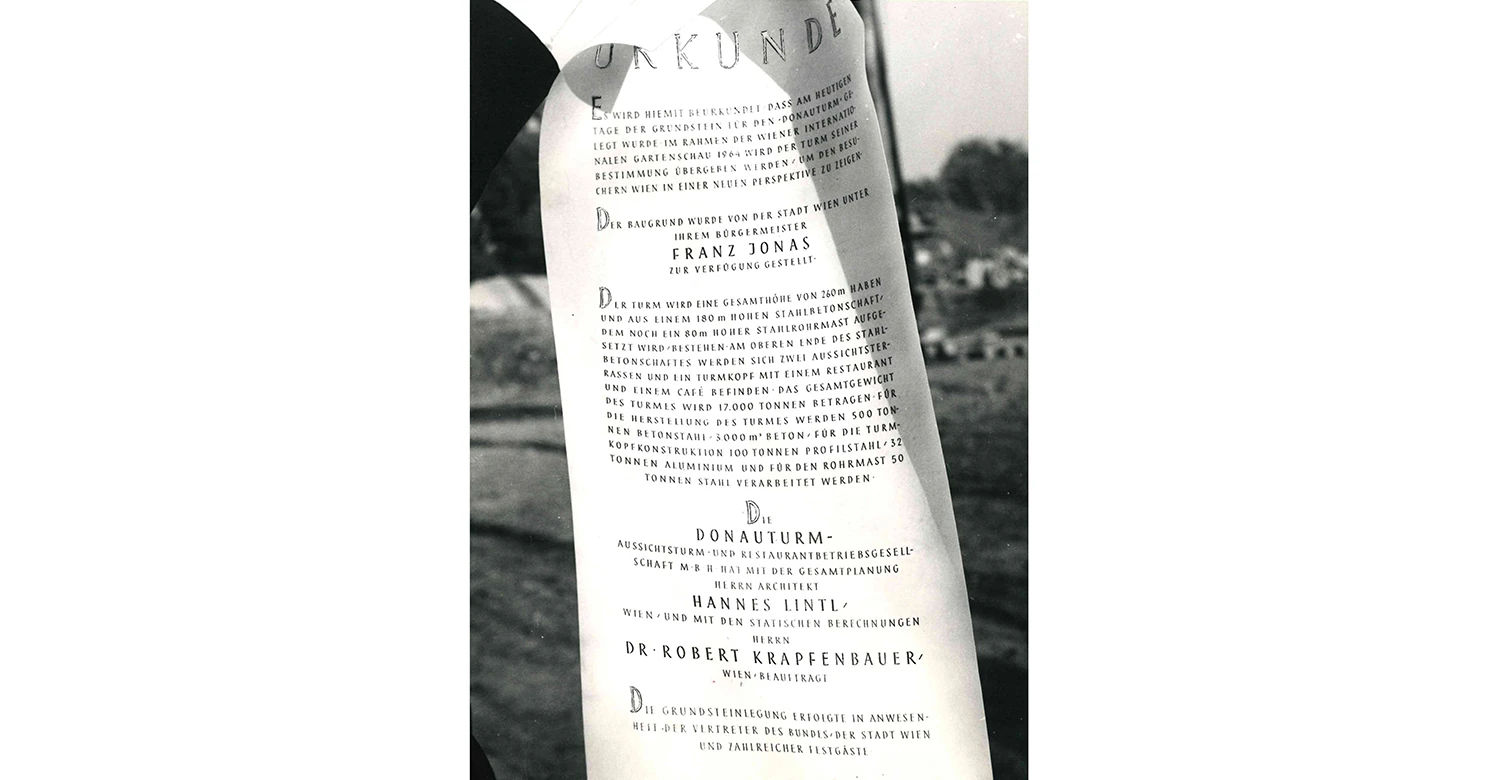
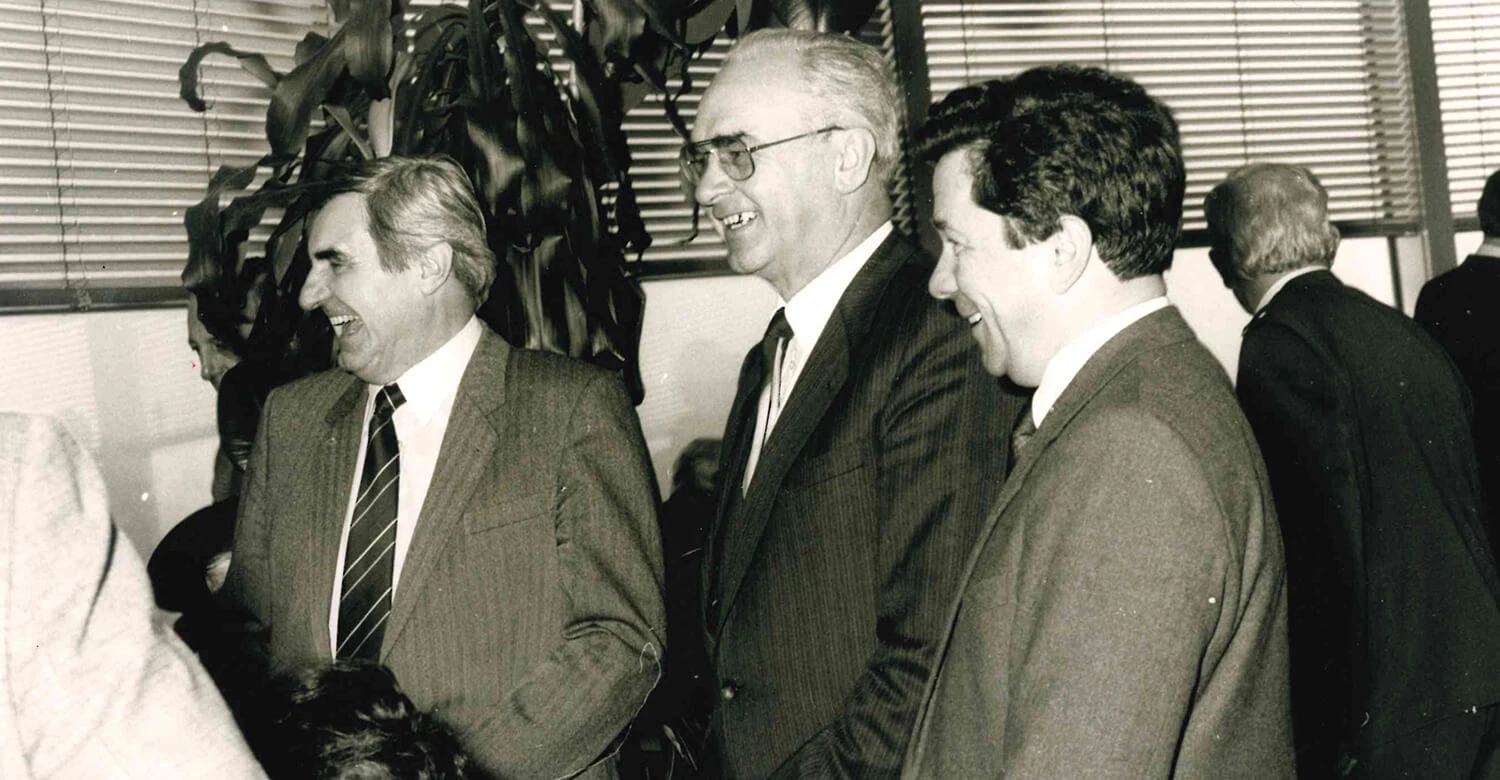
The leading architect was the Viennese Prof. Hannes Lintl. He chose a formal language that was based on the type of television towers that can be found in other cities (e.g. Stuttgart, Toronto). First and foremost, however, the Danube Tower was and is an observation tower, a structure for leisure, fun and recreation. Construction lasted from October 1962 to April 1964 - just under two years. A total of 3,750 m3 of concrete and 514 tons of reinforced concrete were used. The ceremonial opening was held by the then Mayor of Vienna, Franz Jonas, on April 16, 1964.
Planung und Architektur des Donauturms
Leitender Architekt des Donauturms war der Wiener Prof. Hannes Lintl. Seine Formsprache orientierte sich an Fernsehtürmen internationaler Großstädte, dennoch war der Donauturm von Beginn an vor allem als Aussichtsturm für Freizeit, Erholung und besondere Erlebnisse konzipiert.
Architekt Prof. Hannes Lintl
Prof. Hannes Lintl prägte mit dem Donauturm eines der bekanntesten Bauwerke Wiens. Die schlanke Turmform, die klare technische Ästhetik und die hohen Aussichtsebenen machen den Donauturm bis heute unverwechselbar.
Aussichtsturm statt Fernsehturm
Obwohl die Form an Fernsehtürme erinnert, wurde der Donauturm nie als Plattform für TV-Sendeanlagen genutzt. Er war und ist in erster Linie ein Aussichtsturm und ein Ort für Freizeit, Kulinarik und besondere Erlebnisse.
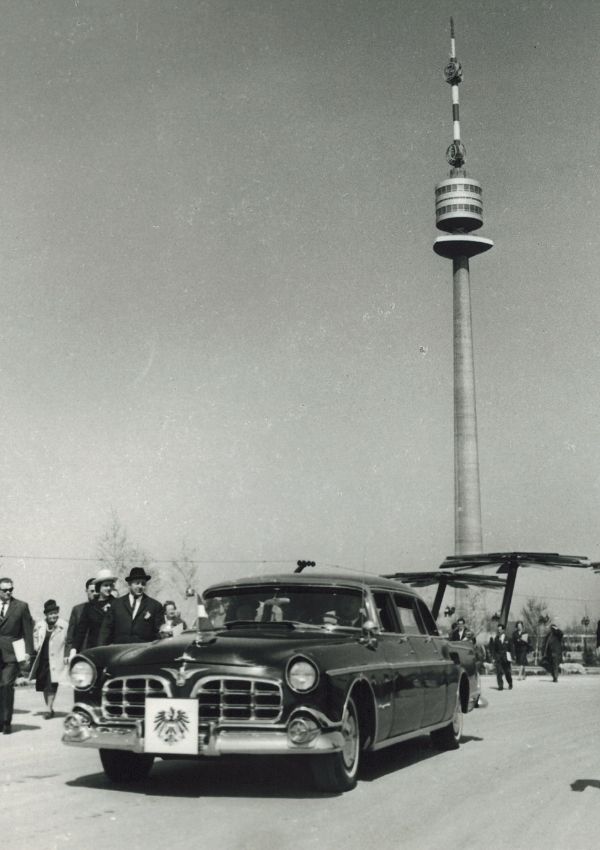
Bau des Donauturms von 1962 bis 1964
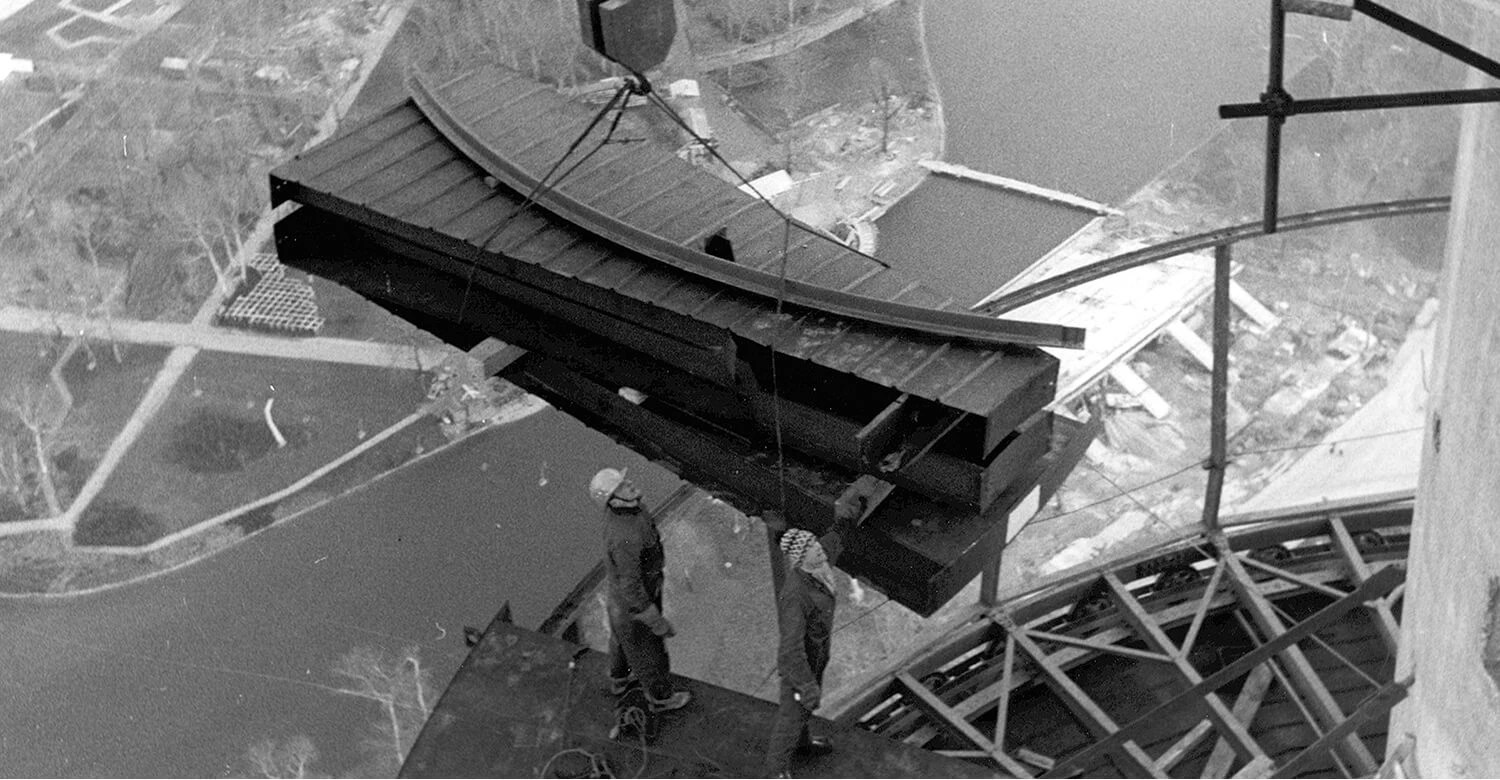
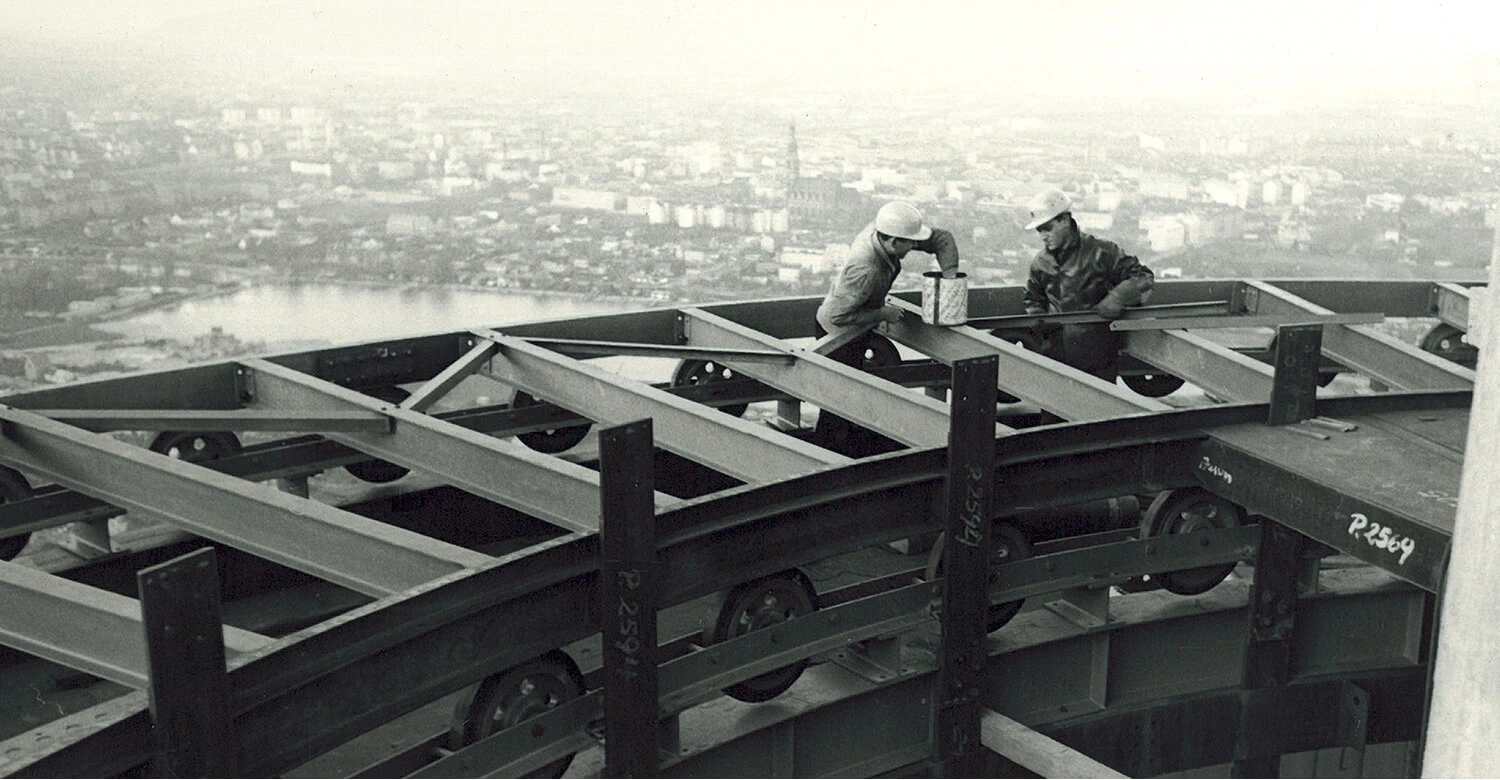
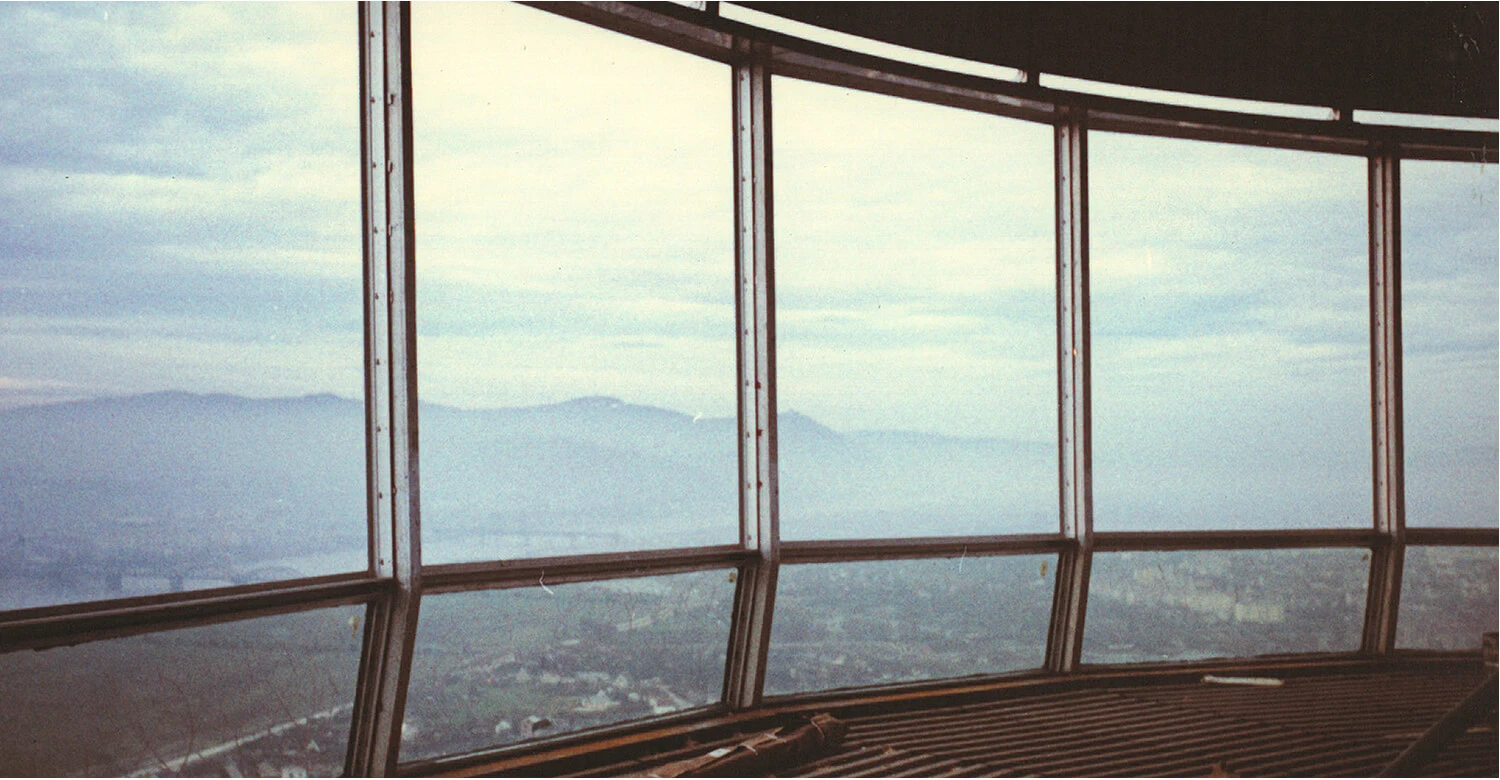
Der Bau des Donauturms dauerte von Oktober 1962 bis April 1964. In dieser Zeit wurden rund 3.750 m³ Beton und 514 Tonnen Betonstahl verbaut. Am 16. April 1964 wurde der Donauturm feierlich eröffnet.
Eröffnung am 16. April 1964
Die feierliche Eröffnung des Donauturms fand am 16. April 1964 statt. Eröffnet wurde der Turm vom damaligen Wiener Bürgermeister Franz Jonas – rechtzeitig zur Wiener Internationalen Gartenschau 1964.
Technische Leistung beim Bau
Mit 252 Metern Gesamthöhe, einem Fundament von 8 Metern Tiefe und einem Gesamtgewicht von 17.600 Tonnen war der Donauturm bereits bei seiner Eröffnung ein beeindruckendes technisches Bauwerk.
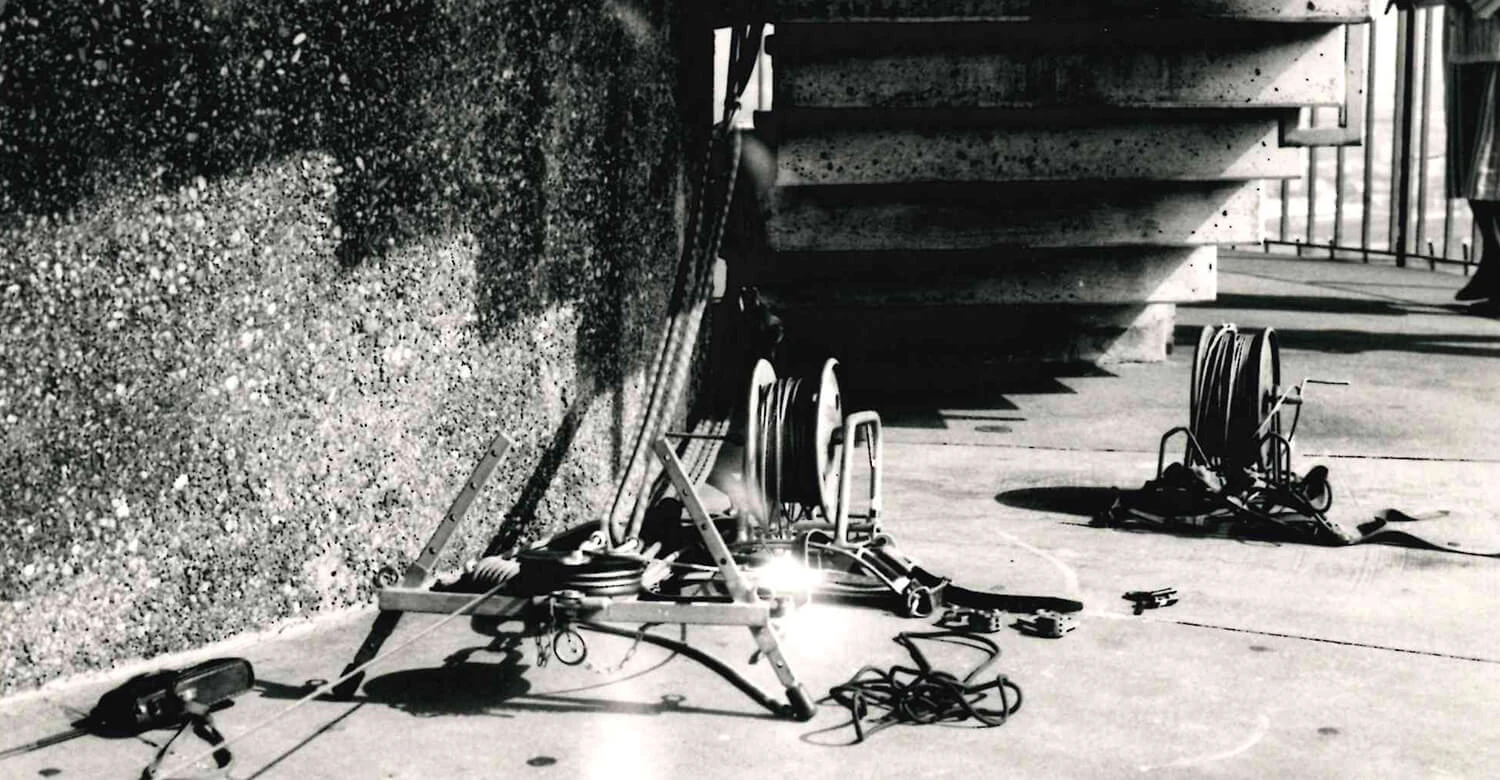
The Construction of the Tower
Der Donauturm in Zahlen
Der Donauturm ist nicht nur ein Wiener Wahrzeichen, sondern auch ein beeindruckendes technisches Bauwerk. Die wichtigsten Zahlen zeigen seine Höhe, Konstruktion, Geschichte und Bedeutung als Ausflugsziel
Höhe, Ebenen und Aussicht
- 252 m Gesamthöhe – damit ist der Donauturm das höchste Bauwerk Österreichs
- 170 m Höhe des Turm Restaurants
- 165 m Höhe des Zentralgeschoßes
- 160 m Höhe des Turm Cafés
- 155 m und 150 m Höhe der Aussichtsterrassen
- 80 km Fernsicht bei Schönwetter
- Das Vienna International Center ist rund 126 m niedriger als der Donauturm
Bau, Konstruktion und Technik
- 16. April 1964 Eröffnung des Donauturms
- 18 Monate Bauzeit von 1962 bis 1964
- 17.600 Tonnen Gesamtgewicht
- 514 Tonnen Betonstahl wurden verbaut
- 3.750 m³ Beton wurden fverwendet
- 8 m Tiefe und 31 m Durchmesser misst das Fundament
- Der Durchmesser beträgt am Boden 12 m, in 160 m Höhe rund 6 m
Expresslifte und Treppenhaus
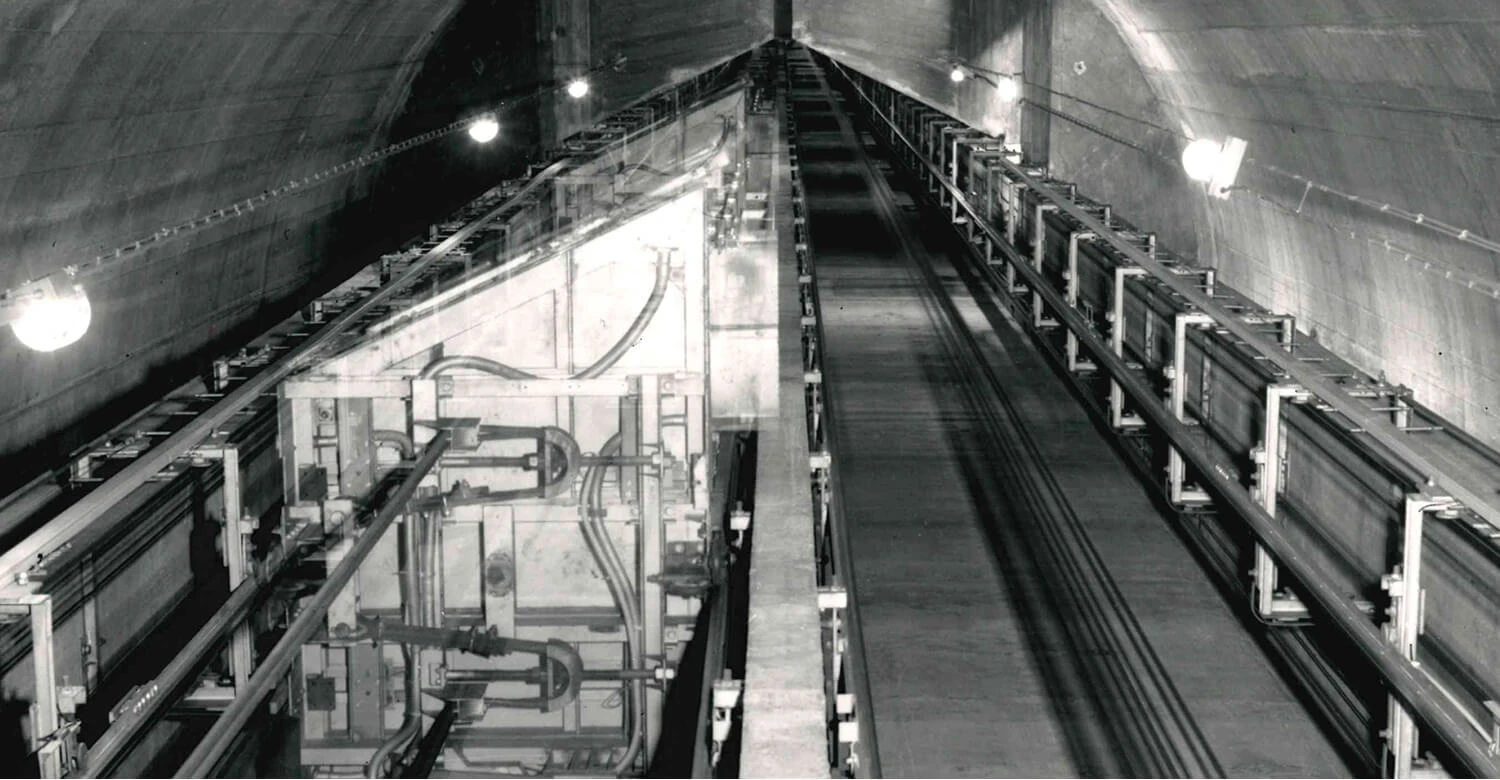
- 2 Expresslifte bringen Besucher:innen nach oben
- Jeder Lift befördert bis zu 15 Personen inklusive Aufzugspersonal
- Die Aufzüge fahren mit 6,2 m/s
- Eine Fahrt dauert rund 35 Sekunden
- Bis zu 900 Personen pro Stunde können transportiert werden
- Das Treppenhaus zählt 779 Stufen
Besuch, Gastronomie und Erlebnis
- Rund 420.000 Besucher:innen kommen durchschnittlich pro Jahr
- Die durchschnittliche Besuchsdauer beträgt 108 Minuten
- Das Turm Café und das Turm Restaurant drehen sich je nach Geschwindigkeit in 29, 39 oder 52 Minuten einmal um die eigene Achse
- Durchschnittlich gibt es rund 6 Heiratsanträge pro Woche
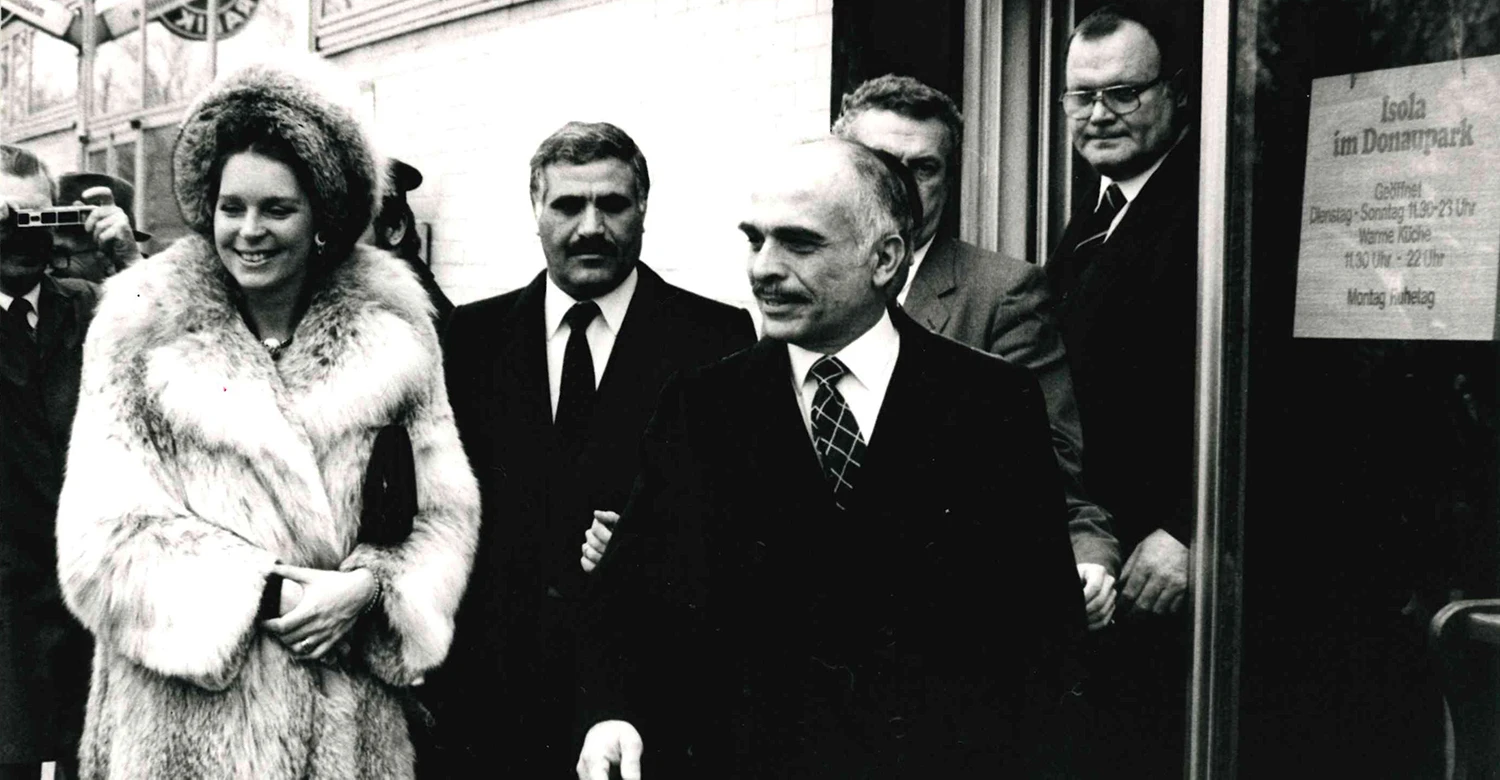
The 60s and 70s
The Danube Tower today
Since 2016, the Danube Tower has been wholly privately owned. With the conversion and renovation work carried out in 2018 and completed at the beginning of 2019, the owners intend to successively develop the Danube Tower as a location.
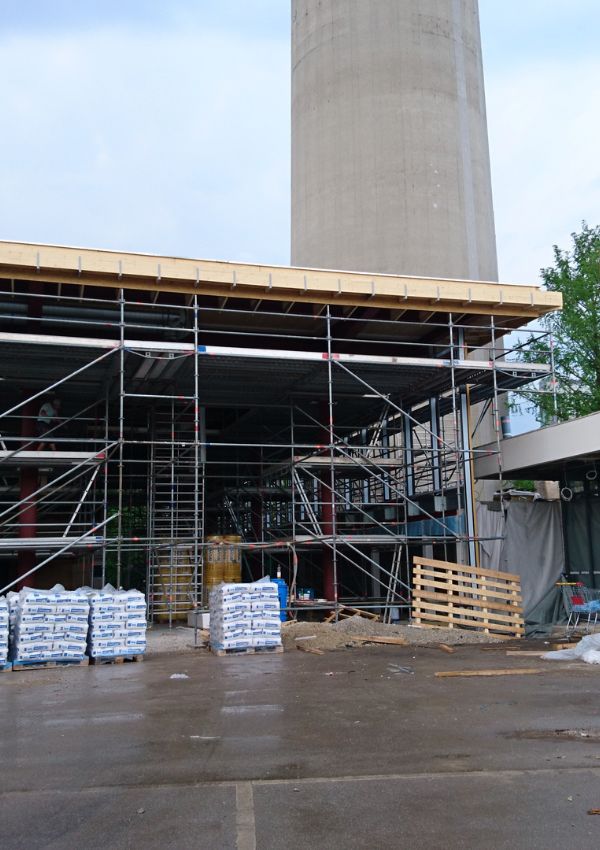
In January 2018 - after 55 years since its construction - the Danube Tower underwent a "state of the art" conversion and extension. In the process, the visitor and viewing experience was intensified with new entertainment options and info screens.
In the course of the work, the tower cafe and the tower restaurant were also restored to the elegant style and splendor of the 1960s. On the ground floor, the diverse gastronomic offer was also expanded: The souvenir store and the Donaubräu, including a spacious guest garden, have been open to guests since February 2019.
For the conversion and renovation work, the Danube Tower worked closely with the renowned Austrian architect Gregor Eichinger.
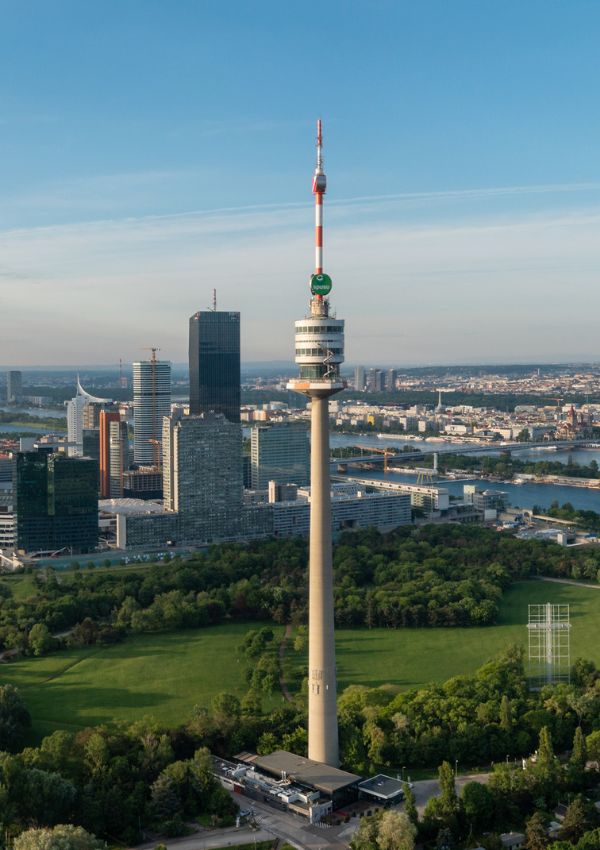
Around 10 million euros were invested in the extensive "state of the art" modernization and the return to the elegant style of the 1960s, technical adaptations and the new construction of the Donaucafé and Donaubräu as well as its high-quality design.
Today, the Danube Tower, with its 252 meters, is still the tallest building in Austria and a symbol of the style of the 1960s. Since its opening, it has attracted over 420,000 visitors each year as a popular excursion destination.
On the partly open and partly glazed observation terrace at a height of 150 meters, it provides orientation and is the ideal starting point for a visit to Vienna. Three gastronomy levels - at the foot of the tower, with the tower café at 160 meters and the Turm Restaurant rotating at 170 meters - also make the Danube Tower Vienna a popular location for events of all kinds.
Geschichte, Technik und Architektur weiter entdecken
Der Donauturm verbindet seine historische Bedeutung mit modernen Vermittlungsformaten. Besucher:innen können die Geschichte, Technik und Architektur des höchsten Bauwerks Österreichs nicht nur auf der Website nachlesen, sondern auch digital und vor Ort vertiefen.
Der digitale Donauturm Guide
Mit dem digitalen Donauturm Guide entdecken Besucher:innen spannende Informationen rund um Wiens höchstes Wahrzeichen direkt am Smartphone. Der Guide erklärt Geschichte, Technik und Architektur des Donauturms kurz und verständlich und ergänzt den Besuch mit Fotos, Videos, Fun Facts und interaktiven Inhalten. Ein App-Download ist nicht notwendig; der Guide läuft direkt im Browser.
Jetzt den digitalen Donauturm Guide entdecken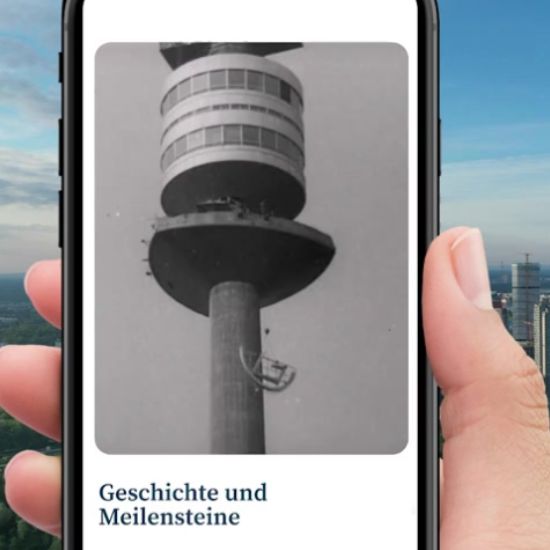
Führung: Ein technisches Meisterwerk hautnah erleben
Bei der Führung „Ein technisches Meisterwerk hautnah erleben“ erhalten Besucher:innen fachkundige Einblicke in Konstruktion, Bauprozess und Ingenieurskunst des Donauturms. Die Führung vermittelt technische Hintergründe, bauliche Besonderheiten und seltene Details zur Errichtung des 252 Meter hohen Wiener Wahrzeichens.
Zur Führung am Donauturm